Trump–Xi Meeting: Musk, Nvidia and the China Stakes
Musk, Huang and Dell are reported guests at the September 24 Trump–Xi dinner. Tesla filings and Nvidia guidance explain their different China stakes.
 By Dennis Yardley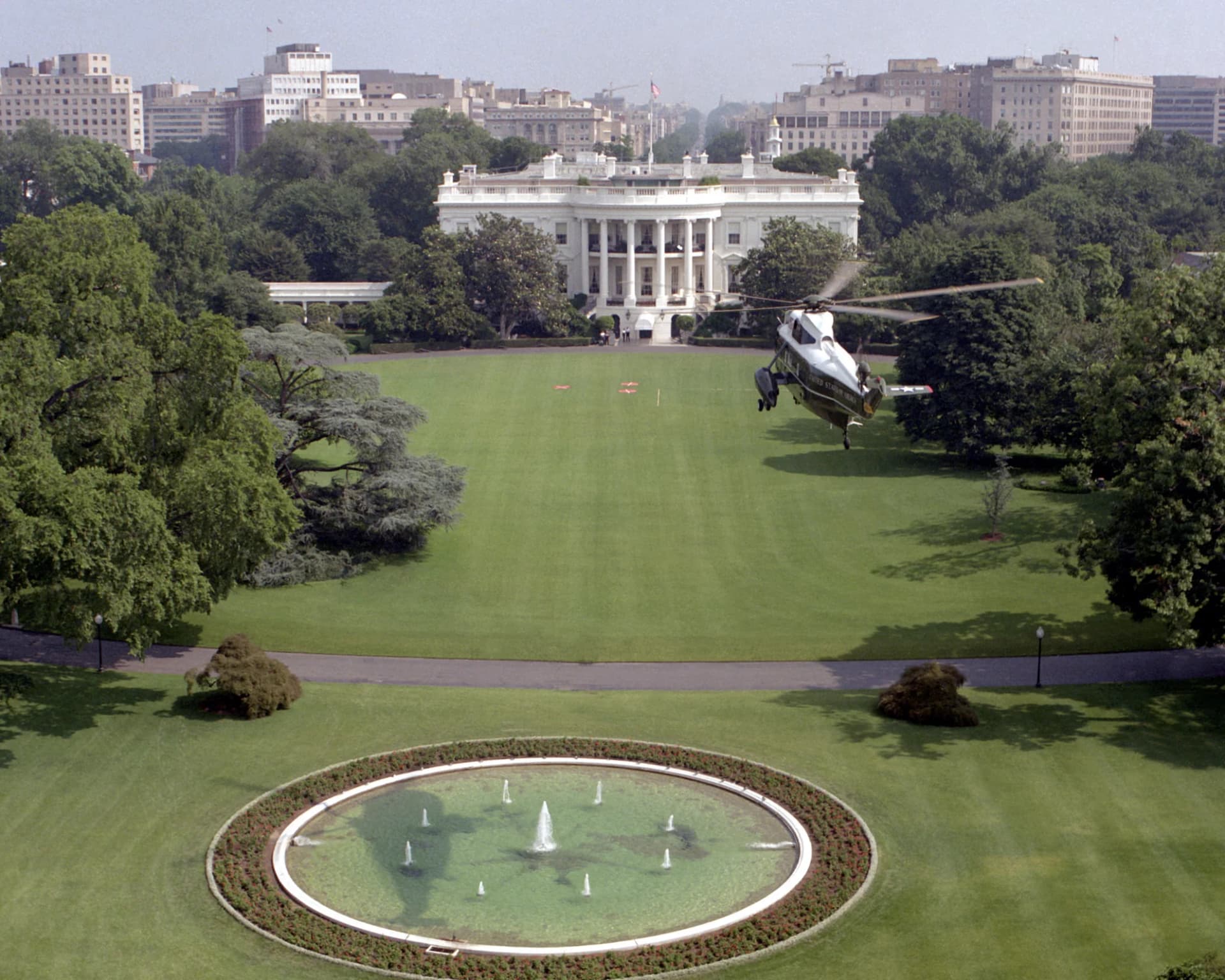
Elon Musk, Jensen Huang and Michael Dell are among the business leaders reported to be invited to President Donald Trump's September 24 state dinner for Chinese President Xi Jinping. Their presence would bring three different commercial interests into the same diplomatic room: electric vehicles, advanced computing and the systems built around those chips.
Eric Daugherty's September 20 post highlighted those names. Reuters separately reported Huang's planned attendance, citing a person familiar with the matter. The dinner was still ahead as of publication on September 21. Invitations and expected attendance establish access; any resulting commercial agreement will need its own announcement.
The financial question is what that access could change. Company disclosures offer a more useful starting point than the excitement surrounding the guest list. Tesla has a substantial existing Chinese business. Nvidia's latest quarterly outlook makes a distinctly different assumption about Chinese demand.
Elon Musk brings an existing China business
Tesla's 2025 annual report, Note 16, reports revenue by the location of product sales. The three comparable calendar years show the scale and persistence of that exposure.
| Calendar year | China revenue, $bn | Total revenue, $bn | China share |
|---|---|---|---|
| 2023 | 21.745 | 96.773 | 22.47% |
| 2024 | 20.944 | 97.690 | 21.44% |
| 2025 | 20.962 | 94.827 | 22.11% |

Source and method: Tesla 2025 Form 10-K, Note 16. China revenue divided by consolidated revenue for each calendar year, multiplied by 100; percentages rounded to two decimals. Dollar amounts are converted from millions to billions.
China's share of Tesla revenue increased by 0.67 percentage points in 2025, calculated from the unrounded annual shares, while China revenue rose just 0.09%. The difference reflects a smaller consolidated denominator. A larger geographic share can emerge from weakness elsewhere even when the local business changes very little.
These are sales-location figures. They do not measure Shanghai factory output, vehicle deliveries or profit. Manufacturing exposure and customer exposure answer different questions, and a dinner invitation supplies neither a revised sales forecast nor a margin estimate.
Jensen Huang faces a different earnings question
In its August 26 results release, Nvidia reported $96.221 billion in quarterly revenue and forecast approximately $108 billion for the following quarter. It explicitly excluded China Data Center compute revenue from that outlook.
That qualification defines a potential source of upside, subject to actual permissions, demand and execution. It also defines the limit of the statement: the exclusion concerns a particular business category in a particular forecast. It should not be expanded into a claim that Nvidia earns no revenue of any kind associated with China.
The distinction matters when investors compare the two executives. Tesla's disclosed figures describe an established revenue stream across completed years. Nvidia's guidance describes the assumptions behind a forward quarterly estimate. Combining those numbers into a single measure of dinner-related exposure would mix periods and definitions.
The document that matters after the photograph
The Bureau of Industry and Security's January 13 announcement established case-by-case review for exports of Nvidia H200, AMD MI325X and similar chips to China, subject to security requirements.
The agency described conditions involving semiconductor production capacity available to American customers, purchaser compliance procedures and independent testing in the United States. That published framework shows the kinds of operational details that stand between political support and a completed shipment. It is a dated policy reference, rather than evidence of what either president will agree to this week.
A meaningful summit announcement would specify the products covered, eligible customers, applicable conditions and implementation date. Those details determine whether a commercial opportunity can enter an order book. An expression of goodwill can improve the atmosphere while leaving those underlying questions open.
The investment value of this dinner will depend on the permissions and contracts that follow it. That is the standard by which the event can be evaluated after the photographs circulate.
Where Michael Dell fits
Dell's inclusion broadens the story beyond the individual chip designer. Computing infrastructure involves processors, complete systems and the businesses that purchase and operate them. The three names in Daugherty's post therefore point to different positions in a commercial chain, rather than three interchangeable beneficiaries of one policy change.
An investor reading a subsequent announcement should identify which company is the contractual seller, which products are eligible for delivery and where the customer will operate them. Those questions keep the analysis attached to transactions. A company can be represented at a diplomatic event without receiving a new order, and an announced order can still carry conditions that affect timing.
This article assigns no revenue benefit to Dell's reported invitation. The available invitation reporting does not disclose a corresponding contract, customer commitment or revised company outlook.
What the replies actually suggest
The replies visible beneath Daugherty's post offer two political readings. Rose welcomed seeing Musk and Trump together, treating the invitation as a relationship signal. That interpretation is understandable as a reaction to the guest list; the invitation itself cannot establish the terms or durability of their relationship.
Michelle Moore welcomed Zuckerberg's apparent absence. That reads the list as a ranking of political access. The reported names are a partial list, so the reply does not establish that Zuckerberg was excluded. Neither reaction provides evidence about licenses, sales or earnings. The visible replies are also a small, selected sample, not a measure of investor sentiment.
How to read the September 24 outcome
Three successive pieces of evidence would make the story financially more concrete: an official policy document, a company announcement explaining its commercial effect, and a subsequent filing showing execution. Each addresses a different uncertainty. A government statement defines the permission; a company explains the opportunity; financial reporting shows what was realized.
For Tesla, future geographic revenue disclosures provide a consistent basis for comparing the Chinese business with the rest of the company. For Nvidia, subsequent guidance can show whether the China Data Center compute assumption changes. Both are more reproducible measures than interpreting seating positions or enthusiasm on social media.
The reported invitations make this a consequential business gathering to watch. The existing disclosures explain why: the companies arrive with different exposures, different regulatory questions and different routes from diplomatic access to revenue.
Cover: archival White House South Lawn photograph by PHC C. M. Fitzpatrick, public domain, via Wikimedia Commons. The photograph does not depict the September 2026 dinner.