Bitcoin 2026 price trend: Data-Driven Outlook
Explore a neutral, data-driven analysis of Bitcoin's projected 2026 price trend and its potential implications for global markets and investors.
 By Dennis Yardley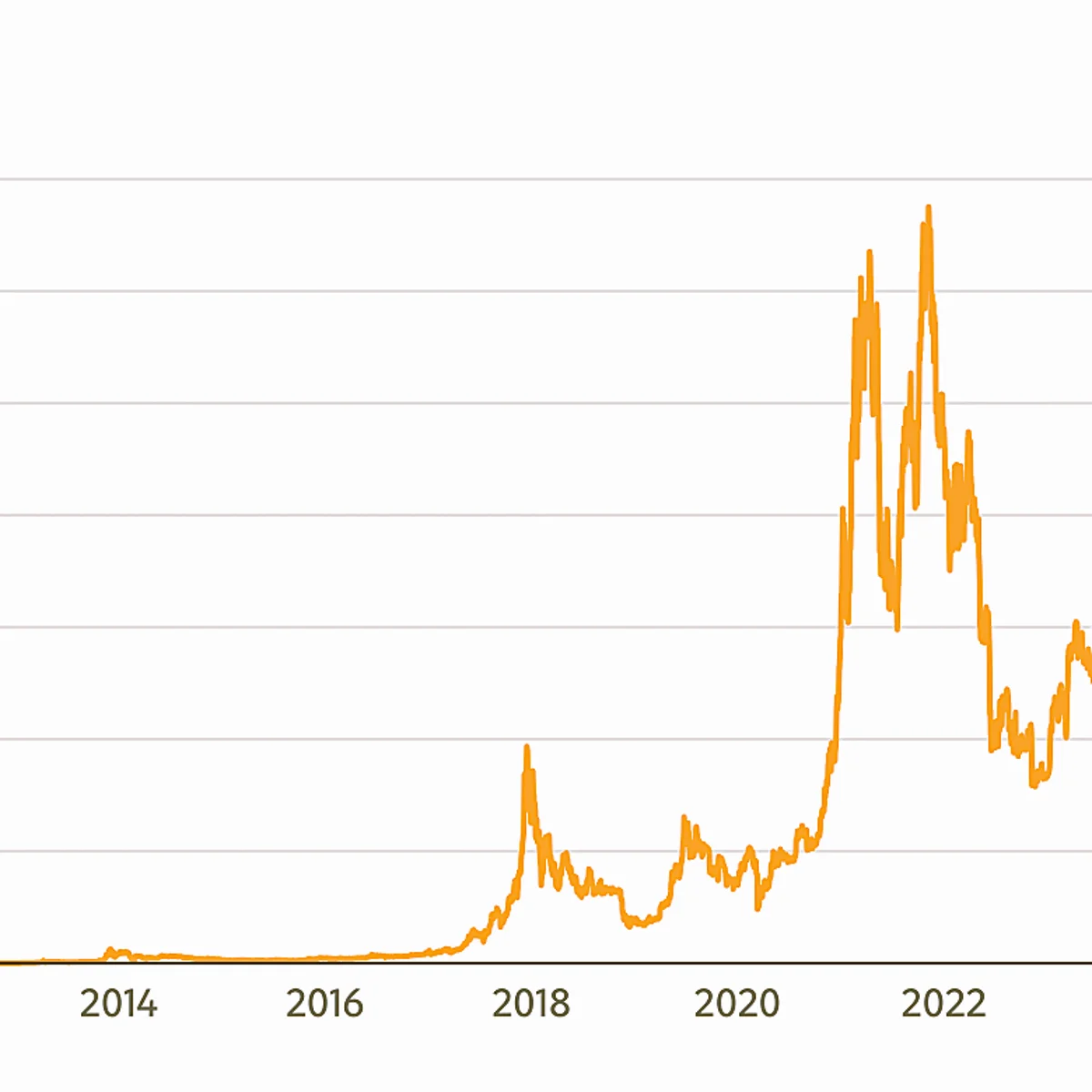
The Bitcoin 2026 price trend is shaping how investors, institutions, and policymakers think about digital assets in a world of evolving regulation and macro uncertainty. After a volatile 2025, early 2026 has brought a new mix of regulated exposure through spot ETFs, ongoing corporate treasury activity, and a shifting risk appetite across global markets. Across multiple data points, Bitcoin’s price action in 2026 has been less about a single arc and more about a regime change in how capital flows into and around digital assets, with institutional buyers re-entering through regulated wrappers and corporate treasuries expanding their Bitcoin allocations. This article lays out the data, the catalysts, and the likely paths for the coming 6–12 months, with a focus on actionable implications for Wall Street–level readers seeking to understand the Bitcoin 2026 price trend.
To set the stage, consider where Bitcoin stood at the start of 2026 and how the landscape has evolved. By early February 2026, Bitcoin traded in a broad band around the mid-$60,000s to high-$60,000s, having pulled back from the late-2025 run-up. Price oscillations around the $60k–$70k zone persisted as ETF inflows and macro headlines dominated daily moves. In late January, for example, Bitcoin hovered near the mid-$80,000s before a broader risk-off episode pushed prices lower into the $60k–$70k range in February. This oscillation reflected both renewed hedging dynamics and ongoing debate about how much ETF-driven demand can sustain prices in the absence of a broader macro upcycle. (barrons.com)
Meanwhile, the accumulation story among corporate treasuries has continued to evolve. MicroStrategy, now operating under the Strategy banner, disclosed holding 714,644 BTC as of February 8, 2026, acquired at an average cost around $76,000 per BTC and funded through stock offerings and other financing flows. This makes Strategy the largest corporate holder, underscoring the persistence of a “Bitcoin standard” mindset among a subset of highly capitalized balance sheets even as prices move through volatility. The company’s ongoing purchases in early February 2026 illustrate how a long-horizon corporate thesis can interact with daily price movements to shape liquidity and volatility in the market. (strategy.com)
This multi-faceted context—spot ETF flows feeding price discovery, major corporate holders adjusting exposure, and macro policy ambiguity—drives a data-driven view of the Bitcoin 2026 price trend. Below, we break down what’s happening, why it’s happening, what it means for business and consumers, and how readers can prepare for the next 6–12 months.
What’s happening
Price momentum and levels
Bitcoin’s trajectory in 2026 has featured sharp intraday moves within a broad trading range. By mid-February, BTC was trading in the mid-$60,000s to high-$60,000s, after a patchwork of volatility that saw brief rebounds near $70,000 and then renewed pressure lower as risk appetite ebbed. The pullback in early February marked a continuation of a trend where macro headlines and ETF flows interact with technical levels to set the short- to medium-term path for BTC. The price action around this period was consistent with a cautious mood among risk assets and ongoing reevaluation of the crypto exposure within diversified portfolios. (barrons.com)
Historically, Bitcoin’s cycle has featured outsized moves around halving events and the entrance or exit of large institutional players. The market’s all-time high was reached in October 2025, when Bitcoin touched roughly $126,000, a reference point that traders and institutions use when assessing the risk-reward of fresh allocations in 2026. The persistence of a high-water mark from late 2025 provides context for how far price would need to move to re-activate momentum-driven rallies, particularly in an environment where ETF inflows and macro policy are the primary price drivers rather than pure retail mania. (forbes.com)
ETF-driven demand dynamics have reappeared in 2026 as a meaningful source of liquidity and price support. In the first week of 2026, spot Bitcoin ETFs reportedly attracted sizable net inflows, with weekly inflows in the hundreds of millions of dollars and, in some weeks, more than $1 billion across the U.S. ETF complex. While inflows fluctuated from week to week, the pattern underscored that regulated access to Bitcoin can alter the traditional retail-driven demand profile and modulate volatility over time. (cointelegraph.com)
Institutional flows and corporate exposure
Institutional interest in regulated Bitcoin exposure surged in early 2026, continuing a trend that accelerated in 2024–2025 with the SEC’s spot-ETF framework and the entry of major fund managers. The early 2026 period saw BlackRock’s iShares Bitcoin Trust (IBIT) among the leading inflows, highlighting the impact of a large, credible sponsor on price formation and distribution. The ETF channel’s size and stickiness have contributed to a more persistent bid for BTC, even during periods of macro uncertainty. (kucoin.com)
Corporate treasuries remain a visible anchor of long-run demand. As noted above, MicroStrategy’s February 2026 developments—adding 1,142 BTC in the first week of February and bringing total holdings to 714,644 BTC—demonstrate a commitment to Bitcoin as a strategic reserve asset rather than a short-term trading play. The financing approach, which has leaned on equity financing and debt instruments in the past, continued to shape funding dynamics for BTC purchases and contributed to the discussion about the overall risk profile of corporate crypto allocations. (strategy.com)
Real-world examples
Case Study A: Strategy’s Bitcoin treasury strategy. Strategy’s February 2026 update covers the latest accumulation push and the measurable impact of fair-value accounting on reported earnings, underscoring how corporate buying behavior interacts with market pricing and volatility. The disclosure confirms a continued trajectory of large-scale purchases and a long-term holding horizon, even as BTC prices fluctuate around the $70k level. This case illustrates how corporate treasury decisions can create persistent demand, reduce liquidity risk for the market, and contribute to headline-momentum effects when new filings reveal new levels of BTC ownership. (strategy.com)
Case Study B: The ETF-driven demand channel led by IBIT and peers. In early 2026, BlackRock’s IBIT and other spot Bitcoin ETFs drove notable inflows, signaling that regulated products can anchor a new layer of liquidity and decision-making for institutional investors who previously avoided crypto exposure. In the weeks around January 2026, IBIT represented a significant portion of net ETF inflows, while other funds experienced mixed flows. This real-world dynamic demonstrates how regulatory and product infrastructure shifts can alter market structure and price behavior, separate from pure price momentum. (kucoin.com)
Who’s affected
- Institutions and funds: Beneficiaries of regulated exposure through spot ETFs and products like IBIT, which provide a clearer risk framework and more predictable liquidity patterns. (kucoin.com)
- Corporate treasuries: The largest holders of BTC, such as Strategy, continue to influence supply dynamics and market sensitivity to price moves through ongoing purchases and financing strategies. (strategy.com)
- Miners and liquidity providers: A higher floor from ETF inflows and long-term holders can stabilize miners’ economics and improve on-exchange liquidity, although price volatility can still be driven by macro shifts and risk sentiment. The macro backdrop remains a critical driver of miner margins and capital expenditure decisions, which can feed back into market timing. (Contextual references: ETF inflows, macro shifts, and price levels discussed above.) (theguardian.com)
Why it’s happening
Macro and policy backdrop

The Bitcoin 2026 price trend is inseparable from macro policy expectations and risk appetite. The market has priced in ongoing debates about Federal Reserve policy, inflation trajectories, and global growth signals, all of which affect liquidity and flow into risk assets like Bitcoin. The bear-leaning impulse observed in several late-2025 to early-2026 analyses was associated with expectations for slower or delayed rate cuts and a reassessment of risk-on assets, including crypto. Recent coverage highlighted notable volatility and a broad risk-off mood tied to macro data and policy guidance, contributing to price pressure in early 2026. (apnews.org)
Regulatory and market-structure forces
- Spot Bitcoin ETFs: The regulatory path for spot exposure remains a key driver of market structure. The 2024 SEC approvals and subsequent ETF launches changed how institutions access BTC and how market supply is allocated across regulated wrappers, which in turn shapes price discovery dynamics. This regulatory backdrop underpins the 2026 price trend by enabling more capital to enter crypto through familiar, regulated channels. (congress.gov)
- ETF inflows and outflows: The first weeks of 2026 showcased the volatility and resilience of ETF-driven demand, with inflows in the hundreds of millions daily in some weeks and notable outflows in others as risk sentiment shifted. The net effect is more nuanced price behavior, with ETF activity acting as a significant, if not daily, price input. (cointelegraph.com)
Industry and structural drivers
- Institutional adoption: Observations from banks and asset managers entering or expanding regulated Bitcoin exposure point to a broader structural shift in how crypto assets are used within portfolios. JPMorgan’s and other institutions’ published or reported targets around BTC’s fair value and potential allocations illustrate a narrative where BTC behaves more like an established macro-asset than a purely speculative commodity. While precise price targets vary, the consensus view among several large institutions is that regulated access and macro liquidity are likely to support BTC over time, even if near-term volatility remains. (coinmarketcap.com)
- Corporate treasury discipline: Large holders like Strategy use Bitcoin to diversify cash and balance sheet risk, and their ongoing purchases—funded by equity markets or other financing—affect Bitcoin’s supply-demand balance. The decision to hold hundreds of thousands of BTC for years suggests a durable demand shock, which can impact price resilience in pullbacks. (strategy.com)
What it means
Business impact
- Corporate treasury implications: As BTC becomes a more mainstream treasury tool, more companies may evaluate Bitcoin as a potential reserve asset, especially if regulated access remains accessible and cost-efficient. Strategy’s continued accumulation demonstrates a viable path for non-fintech incumbents to explore digital asset allocations while balancing risk via disciplined funding. The fair-value accounting shift adopted in 2025 contributes to earnings volatility, which boards and investors must factor into capital allocation and risk reporting. (strategy.com)
- Financial services and product implications: The growth of spot Bitcoin ETFs and related products expands the universe of investable vehicles and can support broader adoption by financial intermediaries who previously avoided crypto exposure. As ETFs mature and regulatory clarity increases, institutions may reweight crypto allocations toward BTC in core portfolios, potentially reducing volatility stemming from retail-led cycles over time. (congress.gov)
Consumer and market effects
- Price stability vs. volatility: The Bitcoin 2026 price trend continues to reflect a tension between structural demand (ETFs, corporate treasury activity) and macro-driven volatility. Observers note that ETF inflows can provide price support during risk-on periods but may also trigger sharp moves if flows reverse on macro surprises. Retail investors should expect ongoing volatility but with a stabilizing influence from regulated access channels and larger, longer-horizon holders. (cointelegraph.com)
- Market liquidity and accessibility: The ETF channel has the potential to improve market liquidity and accessibility for a wider set of investors, including advisors and institutions that require regulated vehicles with familiar risk controls. The ongoing evolution of ETF products and related regulatory developments suggests a future where crypto exposure is more routinely embedded in diversified portfolios. (congress.gov)
Industry changes
- Regulatory alignment and product innovation: The regulatory framework supporting spot crypto exposure continues to evolve, with new funds and vehicles entering the market and broader adoption of compliant listing standards. This evolution can influence the pace and scale of capital flows into Bitcoin, and, by extension, the Bitcoin 2026 price trend, as investors shift from speculation to strategic allocation. (coindesk.com)
Looking ahead
6–12 month outlook

The 6–12 month horizon for Bitcoin in 2026 hinges on several converging factors: ETF inflows and product innovation, macro policy trajectories (rate cuts and inflation prints), and the behavior of large holders who anchor the market’s long-run risk premium. The consensus among several credible forecasts suggests a path where BTC trades within a wide band, punctuated by episodic rallies driven by ETF strength or macro catalysts, and downturns driven by risk-off sentiment or policy disappointment.
- Bearish risks and downside scenarios: A risk-off shift or a slower-than-expected path to rate cuts could push BTC toward the lower end of recent ranges, with some models projecting dips toward the mid-to-low $60,000s or even the low $60,000s in 2026 if liquidity tightens and ETF outflows persist. Some macro-focused analyses highlight scenarios where BTC could test the mid-$60k zone or lower during stressed periods. (apnews.org)
- Base-case and upside scenarios: A more constructive scenario hinges on continued ETF inflows, improved macro visibility, and stable to rising risk appetite. In several 2026 outlooks, analysts have pointed to BTC approaching the $140k–$180k range at different points in 2026, with some estimates suggesting a potential test of higher levels if ETF demand remains robust and institutional allocations expand. The base-case framing from institutional commentary often centers around BTC staying in a high-velocity trading range rather than settling into a single trend. (forbes.com)
- The longer horizon: For long-horizon investors, the narrative that institutions will play a larger role in BTC allocation could favor a slower, steadier rise in price relative to retail-driven cycles, particularly if the regulatory environment remains favorable and the ETF ecosystem matures. JPMorgan and other institutions have framed bets around a more structural, regulated adoption of Bitcoin as part of diversified portfolios, a trend that could support a higher floor for BTC prices over time. (coinmarketcap.com)
Opportunities for investors and institutions
- ETF-led allocation: As ETF inflows sustain, professional and retail investors alike may increase regulated exposure to Bitcoin, potentially reducing reliance on unregulated venues and improving price discovery. The scale of inflows in early 2026 signals a structural shift that could support a more durable price level for BTC, even in the face of periodic macro headwinds. (cointelegraph.com)
- Corporate treasury patterns: If corporate treasuries continue to deploy capital into Bitcoin, the resulting demand could create a stabilizing baseline for prices during market downturns, while still allowing upside when macro and liquidity conditions improve. Strategy’s ongoing purchases illustrate how a disciplined, long-horizon approach can coexist with short-term volatility. (strategy.com)
How to prepare
- For institutions: Build or adjust regulated exposure channels (spot ETFs and equivalents) to ensure exposure aligns with risk tolerance, liquidity needs, and fiduciary mandates. Monitor ETF flows and the evolution of new products that can offer diversified access without sacrificing oversight. (congress.gov)
- For corporate treasuries and asset managers: Evaluate the resilience of Bitcoin allocations against balance sheet risk and consider the funding mix used to acquire BTC, as strategies like ATM-driven financing have been central to large holders’ ability to scale positions. The February 2026 disclosures from Strategy provide a practical example of this approach. (strategy.com)
- For individual investors: Stay aware of macro headlines and ETF flow data that can move BTC on a day-to-day basis, and maintain realistic expectations about Bitcoin’s volatility given the asset’s evolving role in institutional portfolios. Observers should also be mindful of regulation-driven changes to product availability and the potential for liquidity shifts around major data releases. (theguardian.com)
Comparison table: Bitcoin 2026 price trend scenarios and driving forces
| Scenario | End-2026 BTC price range (indicative) | Key drivers | Notable sources |
|---|---|---|---|
| Bearish risk-off | 65k–82k | Macro weakness, delayed rate cuts, ETF outflows, risk-off sentiment | AP News bear-case around 80k–82k; Guardian coverage of a mid-$60k range; Bloomberg Law note on momentum loss. (apnews.org) |
| Base-case, ETF-fueled discipline | 145k–155k | Steady ETF inflows, institutional allocations, macro normalization | Standard Chartered-based base-case around mid- to high-100k; industry commentary; JPMorgan-style framework cited by market observers. (aol.com) |
| Bullish structural growth | 170k–190k+ | Robust ETF inflows, renewed risk appetite, large-scale institutional allocations | JPMorgan target cited by market analysis; Grayscale/industry narratives around an “institutional era”; 2025 ATH precedent in Oct 2025. (coinmarketcap.com) |
Notes:
- The table reflects a synthesis of credible forecasts and market scaffolding discussed above. Individual projections vary, and actual outcomes depend on macro policy, ETF adoption pace, and corporate demand dynamics.
- End-2026 price ranges are indicative ranges drawn from multiple sources to illustrate a spectrum of plausible outcomes rather than a single forecast. See the cited sources for more nuance on each scenario.
Closing Bitcoin 2026 price trend analysis reveals a market in transition: price action is increasingly influenced by regulated access channels, institutional allocations, and the strategic decisions of large corporate holders, all within a macro environment of policy ambiguity and evolving risk appetite. Early 2026 data suggest that while BTC remains volatile, the architecture of the market—spot ETFs, credible custodians, and transparent corporate treasuries—has introduced new structural dynamics that can support more durable participation from institutions over time. For readers at Wall Street Economicists, this means watching ETF flows, corporate buying patterns, and macro-critical data points in parallel to price momentum, as these are the levers most closely connected to the Bitcoin 2026 price trend.
In practice, the most meaningful near-term signals will come from ETF inflows versus outflows, the pace of rate-cut expectations in the United States, and the ongoing behavior of major holders like Strategy. If ETF demand accelerates and macro conditions improve, the Bitcoin 2026 price trend could shift toward the upper end of the optimistic scenarios. If macro headwinds persist and ETF interest cools, BTC could test the lower end of ranges in a risk-off regime. The next 6–12 months will test the resilience of Bitcoin’s market structure in a world where traditional finance and digital assets increasingly intersect.