Climate-adjusted-real-estate-valuations-2026: Market Outlook

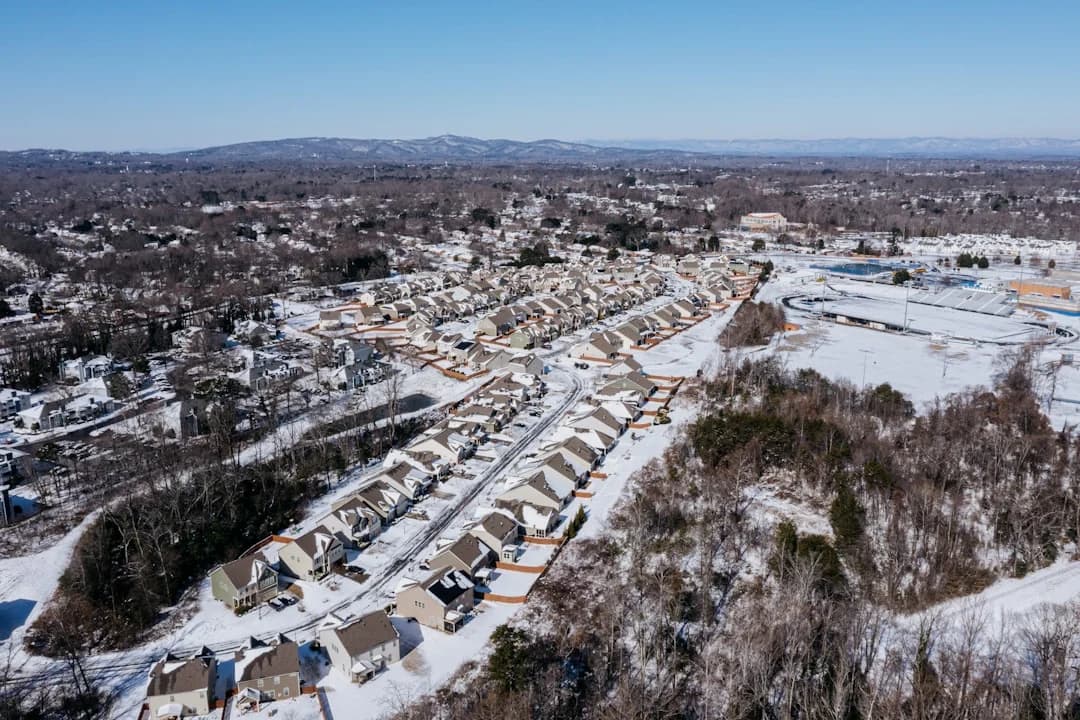
Photo by Alex Reynolds on Unsplash
The housing and commercial property markets are entering 2026 under a renewed focus on climate-related factors that could reshape valuations. Wall Street economists and real estate analysts are highlighting how climate-adjusted-real-estate-valuations-2026 frameworks—integrating flood risk, insurer premiums, building resilience, and regulatory expectations—are influencing lending, pricing, and investment decisions. The broad takeaway: while fundamentals in many sectors remain solid, the price of risk is rising in climate-exposed markets, and that shift is being reflected in property valuations, credit terms, and insurance costs. As lenders recalibrate risk, borrowers and investors must navigate new cost structures, more explicit exposure disclosures, and a growing array of data-driven valuation inputs. This dynamic is not a one-off blip; it is shaping the way assets are priced as 2026 unfolds. (morganstanley.com)
Across global markets, valuation trajectories in 2026 are being characterized by a reset after a rate-driven repricing that began in 2022. While underlying income and demand continue to support many properties, the price discovery process has shifted as cap rates, debt costs, and insurance layers adjust to a climate-aware pricing regime. Industry observers note that a period of valuation stabilization may still be underway, but with clearer visibility into the drivers behind pricing. In other words, climate considerations are no longer a niche extra—they are becoming a core input into how assets are valued and financed. (apollo.com)
The broader market context for climate-adjusted-real-estate-valuations-2026 includes rising concerns about physical climate risk and the costs that come with it. Insurers are increasingly pricing risk premiums according to location, hazard exposure, and resilience measures, while regulators and rating agencies push for more explicit climate-risk disclosures in valuation practices. This confluence is accelerating a re-pricing cycle in which properties with higher exposure to floods, fires, heat stress, or sea-level rise can experience higher insurance costs and, in some cases, more stringent underwriting. The net effect for readers and stakeholders: a more complex, location-aware valuation process that factors in climate resilience, insurance affordability, and long-term cash-flow stability. (pwc.com)
Opening up a sharper lens on what’s driving 2026 valuations helps readers understand the immediate implications for homeowners, developers, lenders, and investors. The latest analyses emphasize that climate-adjusted-real-estate-valuations-2026 are not merely about flood maps or fire risk alone; they also reflect evolving underwriting practices, the cost of capital, and shifts in regulatory expectations around resilience. In practice, this means more data-driven modelling, scenario analysis for climate events, and a greater emphasis on property-level resilience attributes as part of the valuation narrative. For market participants, the takeaway is simple: know your risk, quantify it, and build resilience into both property design and financial structuring. (ice.com)
Section 1: What Happened
Valuation Reset Driven by Rate Realignment
The rate backdrop and early-2020s repricing

The year 2026 arrives with valuations that have stabilized after a multi-year repricing cycle triggered by higher interest rates and tighter credit conditions. Market observers characterize this as a return to more normalised pricing, but with a climate-aware overlay now embedded in many asset classes. As capital costs rose, property cap rates broadened in many sectors, and asset values adjusted downward, even as net operating income demonstrated resilience in several property types. This pattern aligns with broader assessments of real estate cycles entering a revised equilibrium after rate shocks. (apollo.com)
Evidence of a reset across regions and sectors
Analysts highlight that real estate valuations have reset in multiple markets, with sector-specific dynamics—such as data centers, logistics, and housing—showing divergent paths. Global outlooks emphasize that while valuations have recalibrated, fundamentals like occupancy, rent growth, and lease structures continue to support income streams, offset somewhat by higher financing costs and climate-related expenses. The pattern appears to be a constructive one for select assets, as investors search for risk-adjusted pricing where fundamentals and climate resilience align. (macquarie.com)
Implications for mortgage financing and underwriting
With 2026 valuations rooted in a new risk paradigm, mortgage underwriting is increasingly incorporating climate risk factors into loan pricing, debt service coverage, and loan-to-value calculations. Industry voices note that this involves more explicit consideration of flood exposure, insurance availability, and resilience offsets, all of which can influence loan terms and stress-testing outcomes. These developments are part of a broader recalibration of how lenders assess risk in real estate assets with climate exposures. (ice.com)
Climate Risk Underwriting and Insurance Dynamics
Price signals from insurers and lenders
A central development in 2026 is the growing alignment between climate risk and valuation inputs through the insurance and lending ecosystems. Insurers are increasingly adjusting premiums and coverage terms in response to changing hazard profiles, while lenders price risk more granularly, sometimes applying location-based adjustments or hedges to reflect anticipated losses. This convergence is driving down or redistributing value in climate-exposed assets, which is a key factor in climate-adjusted-real-estate-valuations-2026. (pwc.com)
Regulatory and disclosure expectations
Regulators and professional bodies are pushing for greater transparency in climate-related risk within valuations. The industry is seeing emphasis on scenario analysis, resilience metrics, and disclosures that connect hazard exposure to potential depreciation or impairment. In Europe and North America, these developments are influencing how valuations are prepared and how risk is priced into cap rates and loan terms. The trend is toward more standardized, climate-aware valuation practices, which in turn affect market pricing and investor decision-making. (pwc.com)
The flood risk and insurance affordability dynamic
Flood risk remains a frequent and high-impact determinant of property values in many regions. Independent analyses suggest that flood exposure has a measurable effect on home prices and mortgage performance, particularly in coastal and riverine areas. As insurance costs rise in flood-prone zones, total housing costs and debt service can be pressured, further influencing valuation trajectories. This climate-insurance-cost channel is a core component of climate-adjusted valuations as 2026 unfolds. (ice.com)
Sector and Geographic Implications
Sectoral winners and losers in a climate-aware market

Industry reports point to a bifurcated landscape in 2026: data-heavy and resilience-focused sectors, such as data centers, logistics, and adaptable office formats, may see more stable or even enhanced valuation support when offset by improved risk management. In contrast, assets lacking resilience upgrades or those in high-exposure geographies could face more pronounced valuation pressure due to higher insurance costs and stricter underwriting. This dynamic underscores the importance of climate adaptation in asset strategy and valuation modelling. (mckinsey.com)
Geographic divergence and climate resilience
Regions that have invested in flood defense, heat mitigation, and land-use planning to reduce hazard exposure are better positioned in 2026 valuations. Conversely, locations facing rising flood probabilities or increasing insurance premiums may experience valuation drag absent targeted resilience investments. Global outlooks acknowledge that resilience investments and regulatory alignment are becoming material differentiators in property pricing and market performance. (pwc.com)
Timeline and Key Milestones in 2026
Early 2026 milestones
Analysts highlight January 2026 as a turning point where more market participants began explicitly incorporating climate risk into pricing models. The move followed ongoing work by rating agencies, insurers, and valuation professionals to align risk perspectives with asset values. This early-year push set the tone for the rest of 2026 as climate-adjusted-real-estate-valuations-2026 frameworks gained traction in mainstream markets. (pwc.com)
Mid-2026 developments
By spring and summer 2026, market observers noted continued emphasis on resilience metrics in both underwriting and valuations. Private real estate markets reported steady deal flow in certain sectors, even as valuation multiples adjusted in higher-risk geographies or property types. Analysts from major banks and advisory firms described a more “risk-adjusted” pricing environment where climate factors influence both exit multiples and debt capacity. (morganstanley.com)
Late-2026 expectations
Looking ahead, several market watchers expect continued normalization of valuations as data and models mature, with attention turning to how climate risk is integrated into long-cycle investments and portfolio stress tests. The consensus is that climate-adjusted valuations will become an expected baseline, rather than a premium adjustment, for many institutional real estate strategies in 2026 and beyond. (rbccm.com)
Section 2: Why It Matters
Impact on Homebuyers and Mortgage Borrowers

Total cost of ownership in a climate-aware era
A core implication of climate-adjusted-real-estate-valuations-2026 is the potential shift in the total cost of homeownership. Rising insurance premiums, higher flood-related premiums, and the cost of resilience upgrades can alter the lifetime cash flow picture for buyers. Climate risk is now part of the financing calculus, which can affect monthly payments, down payments, and the affordability envelope for households, especially in high-exposure markets. Industry analyses emphasize the need for buyers to factor climate resilience and insurance affordability into budgeting and decision-making. (ice.com)
Mortgage underwriting and borrower segmentation
Underwriting practices are evolving to reflect climate risk more explicitly. Lenders and insurers are increasingly using risk-based premiums and scenario analyses to price loans. For borrowers in areas with elevated hazard exposure, this can translate into higher debt-service costs or tighter loan terms, even when nominal mortgage rates are similar to other markets. The implication for readers is clear: location, exposure, and resilience investments can meaningfully influence mortgage affordability and access to credit in 2026. (pwc.com)
Impact on Investors, Lenders, and Markets
Valuation discipline and risk-adjusted returns
Investors are recalibrating strategies to focus on risk-adjusted returns in a climate-aware context. Global real estate markets have shown signs of recovery and stabilization in 2026, but deal pricing increasingly reflects climate risk, resilience, and insurance dynamics. This creates opportunities for capital allocation to assets with strong risk mitigation and for investors to leverage climate data to distinguish between assets with differentiated risk profiles. Market observers point to ongoing deal-flow in growth sectors and the importance of disciplined valuation practices that account for resilience and hazard exposure. (morganstanley.com)
Insurers, lenders, and the price of risk
The pricing of climate risk is migrating beyond flood maps into broader insurance-premium structures and credit conditions. Insurers and lenders are collaborating to align coverage terms with risk, leading to a more nuanced pricing landscape. For market participants, the practical effect is a need to monitor insurance affordability and policy coverage as part of the valuation narrative, especially for properties in flood-prone or high-heat-stress areas. This integration of risk pricing into valuation inputs is a defining feature of climate-adjusted valuations in 2026. (pwc.com)
Regulatory and resilience considerations
Regulatory guidance and professional standards bodies are increasingly emphasizing climate risk disclosures and resilience metrics in valuations. The push toward standardized climate risk assessment tools and data-driven modelling supports more consistent valuations across the market. For readers, this means a gradual shift toward transparent, comparable climate-adjusted metrics that investors and lenders can rely on when evaluating assets. (oecd.org)
Broader Context: Market Dynamics and Opportunities
The resilience premium and sectoral opportunities
Market observers highlight that the resilience premium—where higher-valued properties deliver more predictable cash flows due to lower hazard exposure—may create selective opportunities for investors who prioritize climate-ready assets. Conversely, sectors or geographies with insufficient resilience investments may see pricing pressure. The 2026 landscape suggests a nuanced base of opportunities that blends technology-enabled risk assessment with capital allocation to assets that can weather climate shocks. (mckinsey.com)
The role of technology and data in valuation accuracy
Technology and data analytics are central to producing climate-adjusted valuations. Advanced modelling, scenario planning, and asset-level resilience data enable more accurate estimations of risk-adjusted value. Market participants are increasingly adopting data-driven approaches to incorporate climate variables into discount rates, cap rates, and growth projections. This shift aligns with broader industry trends toward more sophisticated real estate analytics and risk management. (mckinsey.com)
What This Means for Policy and Practice
Standardization and best practices
As climate considerations become embedded in valuations, industry groups and regulators are advocating for best practices and standardized methodologies. The goal is to ensure that climate risk is consistently evaluated, disclosed, and integrated into pricing. This standardization can reduce ambiguity in valuations and improve market efficiency by reducing information asymmetry around climate risk. (oecd.org)
Long-term consequences for housing affordability
The climate-adjusted framework can influence housing affordability in areas with high hazard exposure if insurance and financing costs rise substantially. Policymakers and industry players will need to balance resilience investments with the demand for affordable housing, exploring mechanisms such as subsidies for resilience upgrades or insurance affordability programs in high-risk regions. While complex, this balancing act is at the heart of climate resilience in real estate valuations. (pwc.com)
Section 3: What’s Next
Timeline of Upcoming Developments and Next Steps
Short term (next 6–12 months)
In the near term, expect further refinement of climate-adjusted valuation models and clearer disclosures in property appraisals and underwriting materials. With 2026 representing a normalization point for many markets, the next steps include enhanced data integration (hazard maps, flood risk analytics, insurance rate fluctuations) and the continued alignment of lender and insurer pricing with location-based risk. Investors should monitor valuation guidance from major banks and advisory firms and look for updates to professional standards in valuation practices. (morganstanley.com)
Medium term (12–24 months)
As more data accumulate and models mature, portfolio-level climate risk assessment tools are likely to become standard in real estate investing. Macroeconomic conditions, regulatory developments, and the rate environment will influence how quickly climate-adjusted valuations become the baseline. Expect further sector differentiation, with resilience-focused assets attracting capital and other segments undergoing ongoing re-pricing as risk factors are better understood. (macquarie.com)
Longer term (beyond 2 years)
Longer-term trajectories will hinge on the effectiveness of resilience investments and the degree to which climate-related losses are mitigated through policy and building standards. If climate risk disclosure and resilience investment accelerate, valuations could stabilize around risk-adjusted multiples that reflect true long-term cash-flow stability. Analysts warn that the path is nuanced and region-specific, requiring ongoing monitoring of climate data, insurance markets, and regulatory frameworks. (oecd.org)
Practical Watch List for Market Participants
- Insurance affordability and coverage terms by geography, and how they feed into mortgage pricing and valuation inputs. (ice.com)
- Lender risk-adjusted pricing and loan terms in high-exposure markets, including stress testing outcomes under climate scenarios. (pwc.com)
- Valuation standard updates from professional bodies and regulators that incorporate climate risk disclosures and resilience metrics. (oecd.org)
- Sector-specific resilience investments and their impact on cap rates and discount rates for asset classes with varying hazard profiles. (mckinsey.com)
Closing
As 2026 progresses, climate-adjusted-real-estate-valuations-2026 is not just a theoretical framework—it is becoming a practical, actionable component of property valuation, lending decisions, and investment strategy. The convergence of rate normalization, insurance dynamics, and climate risk analytics means that valuations will increasingly reflect a portfolio of risk-adjusted cash flows, resilience costs, and mitigation benefits. For readers seeking to stay ahead in this environment, the most important steps are to demand transparent climate risk disclosures, integrate resilience metrics into financial models, and monitor evolving guidance from leading market players and regulators. The market is watching climate risk not as a future threat but as an immediate input shaping the pricing of real estate in 2026 and beyond. (morganstanley.com)
The key takeaway for readers of Wall Street Economicists is this: climate-adjusted valuations are redefining risk, return, and responsibility in real estate finance. By combining rigorous data, disciplined risk management, and proactive resilience investments, market participants can navigate the turbulence of climate-adjusted valuations in 2026 and position portfolios for sustainable, long-term performance. Ongoing coverage will continue to track valuation revisions, underwriting shifts, and policy developments as the year unfolds. (pwc.com)