Federal Reserve policy February 2026: Rate Pause

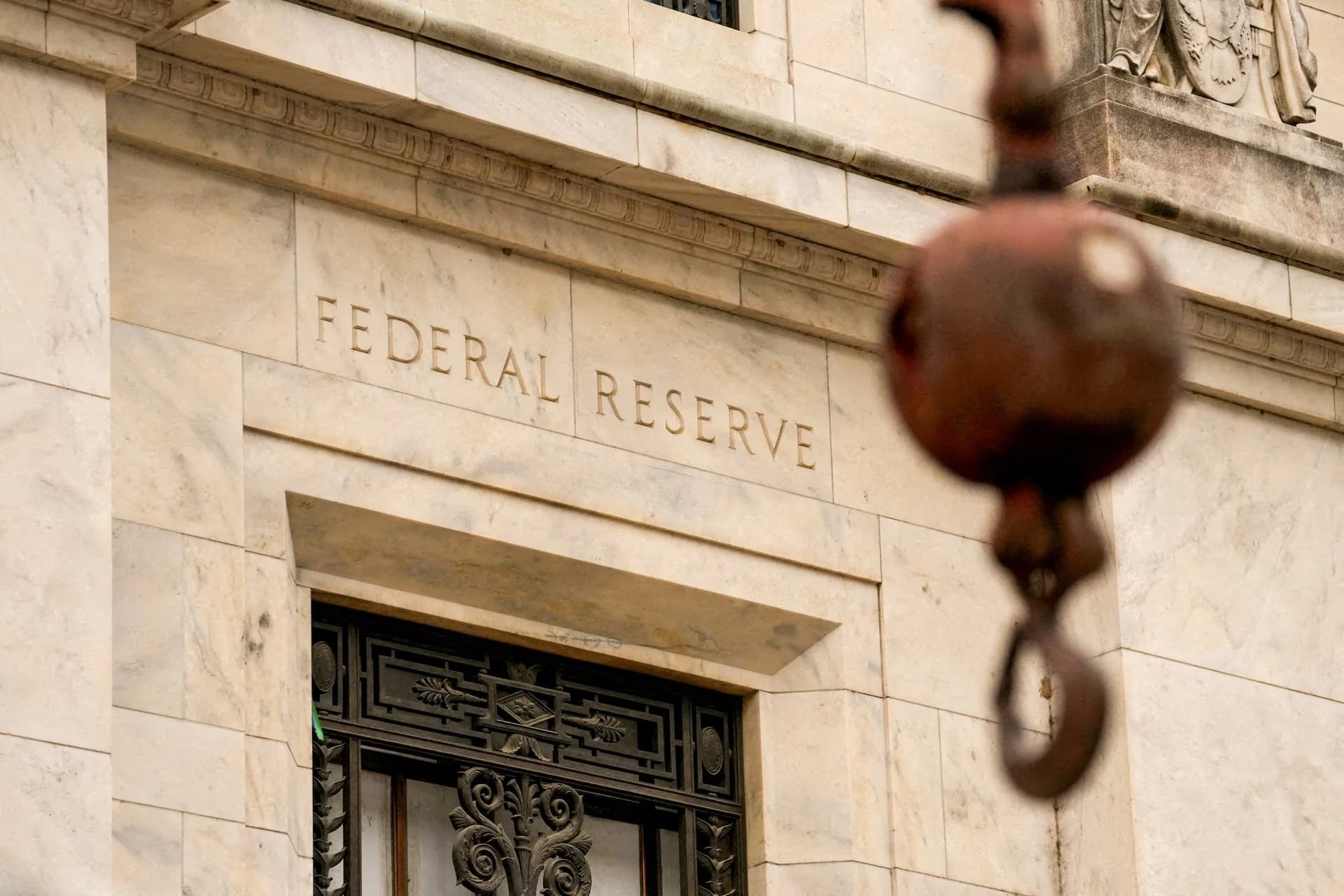
The Fed’s trajectory as of Federal Reserve policy February 2026 is shaping a pivotal juncture for technology markets and broader financial conditions. After a year of aggressive tightening and a series of policy moves in 2025, the January 2026 FOMC decision kept the target range for the federal funds rate at 3.5% to 3.75%. The statement signaled continued vigilance toward inflation and the labor market while committing to a patient approach to any future adjustments. In practical terms, this means borrowing costs remain elevated, and investor risk appetite for duration-sensitive assets—like high-growth tech equities and AI infrastructure investments—will hinge on incoming data over the next several quarters. The Fed noted that inflation remains somewhat elevated and that the committee will “carefully assess incoming data, the evolving outlook, and the balance of risks” before altering policy. This stance reflects an economy where demand is evolving, the labor market remains resilient but not unchangeable, and the inflation path continues to demand close monitoring. (federalreserve.gov)
The labor market provided a counterpoint to the inflation narrative in January. Nonfarm payrolls rose by 130,000, and the unemployment rate stood at 4.3% in January 2026, underscoring a still-tight but gradually cooling labor market. Health care, social assistance, and construction led job gains, while federal government and financial activities trimmed payrolls. These data points—130k job gains and a 4.3% unemployment rate—illustrate the delicate balance policymakers face as they weigh further stimulus or restraint. In the context of Federal Reserve policy February 2026, these numbers feed the calibration question: will the Fed keep policy restrictive to anchor price growth, or will the room for maneuver widen if the economy cools without triggering a spike in unemployment? (bls.gov)
The calendar for February 2026 also underscores the process: the FOMC Minutes for the January 27-28 meeting were scheduled for release on February 18, 2026, a signal that investors and analysts would scrutinize the committee’s deliberations for hints on the timing and slope of any future adjustments. The market’s sensitivity to the minutes and to incoming inflation data continues to color technology and corporate financing decisions. (federalreserve.gov)
Section 1: What’s happening Policy Pause and Inflation
- Rate stability after 2025’s cuts: The January 28, 2026 FOMC statement maintained the federal funds rate at 3.5% to 3.75%, marking a pause after a sequence of cuts in 2025. This maintenance reflects the Fed’s assessment that inflation remains a risk and that the labor market’s strength could sustain price pressures if policy were loosened too quickly. The decision and its framing are documented in the Fed’s official press release. (federalreserve.gov)
- Inflation remains a central concern: The Fed described inflation as “somewhat elevated” and reiterated its commitment to returning inflation to 2% over the longer run. This friction between growth signals and price gains is central to how the Fed will calibrate any future adjustments in the cycle. Market participants will watch how inflation readings, particularly the PCE (the Fed’s preferred gauge) evolve over 2026. (federalreserve.gov)
Labor Market Resilience
- January payrolls and unemployment: The U.S. labor market produced 130,000 jobs in January 2026, with the unemployment rate at 4.3%. Sectors leading gains included health care, social assistance, and construction, while government and financial activities shed jobs. These figures indicate a still-robust labor market, which supports a cautious stance on further rate cuts in the near term. The Bureau of Labor Statistics’ January 2026 employment release provides the precise figures. (bls.gov)
- Health of demand channels: The household survey showed participation and employment–population ratios holding relatively steady, even as job openings and wage dynamics remained nuanced. The data suggest that consumer demand remains a key channel shaping the inflation path, particularly in services and housing-related components. While the unemployment rate sits in the mid-4% range, the distribution of job gains across industries hints at potential sector-specific inflation persistence that the Fed will monitor. (bls.gov)
Tech and Market Dynamics
- Tech policy transmission through funding: The current policy stance interacts with technology sector investment in several ways. Higher, uncertain rates shape the cost of capital for AI infrastructure projects, cloud-scale expansion, and semiconductor capacity investments. At the same time, tech demand is increasingly tied to productivity gains that policymakers hope will eventually dampen the longer-run neutral rate (r-star). Analysts’ views emphasize that policy remains a material variable for tech capex, with investors closely tracking the Fed’s data-driven signals. Goldman Sachs’ January 2026 outlook highlights that rate cuts could re-emerge in 2026 if growth and inflation align with a cooler trajectory, a scenario that would tend to support hyperscaler capex and AI data-center spending. (goldmansachs.com)
- Case in point: hyperscale capex expectations vs. policy timing: Goldman’s view anticipates a pathway of pauses followed by cuts to a terminal rate around 3.0–3.25%, suggesting a 2026 where policy flexibility improves and corporate financing conditions loosen modestly as inflation decelerates. While this is an analyst forecast, it underscores how the policy road map matters for AI infrastructure investment cycles and the appetite for long-duration corporate debt. (goldmansachs.com)
- Case in point: bank lending signals from SLOOS: The January 2026 Senior Loan Officer Opinion Survey indicates tighter lending standards for commercial and industrial loans across firms, even as demand remains healthy for large and middle-market borrowers and CRE lending shows resilience. This pattern matters for tech firms and venture-backed companies seeking credit for growth, M&A, or working-capital needs, as tighter credit conditions can influence funding mix and capital structure decisions. (federalreserve.gov)
Section 1 case studies Hyperscale AI Capex in a Pause Era
- The scenario: In a climate of a policy pause and elevated rates, hyperscale cloud players and AI infrastructure builders are reassessing debt financing, project timelines, and vendor partnerships. Goldman’s 2026 outlook suggests that if inflation moves toward target levels and growth stabilizes, the Fed could begin and sustain a path of rate cuts, easing the cost of capital for big AI and data-center projects. This would potentially accelerate capex cycles as new capacity becomes more affordable to finance. The link between policy expectations and capital expenditure in AI is a core narrative in the current market environment. (goldmansachs.com)
- Takeaway for practitioners: Tech executives should stress-test project ROI under a range of rate paths, including the possibility of earlier-than-anticipated rate cuts (as some models forecast) and later-than-anticipated stabilization (if inflation remains sticky). The Fed’s own communications emphasize patience and data dependency, which translates to a need for flexible financing strategies and staged investment plans in AI infrastructure. (federalreserve.gov)
Banks and Lending Standards in a Policy Pause
- The January 2026 SLOOS results reveal tighter lending standards for C&I loans to firms of all sizes, with higher perceived risk and reduced risk appetite among banks, while demand for large and middle-market borrowers remains firm and CRE lending shows resilience. For technology firms—especially those reliant on bank credit for working capital or equipment financing—these signals imply a subtle tightening in access to traditional bank credit, potentially nudging funding toward cash-flow-positive segments or non-bank financing avenues. (federalreserve.gov)
- Takeaway for practitioners: Startups and capital-intensive tech firms should diversify funding sources, prepare robust debt service coverage analyses, and consider alternative capital structures (including secured facilities or project-finance-like arrangements) to navigate potential credit tightening in the near term. The Beige Book and regional stories also underscore the uneven nature of the recovery, with pockets of strength and pockets of constraint across districts. (federalreserve.gov)
Section 2: Why it’s happening Macro forces and policy signals
- The inflation backdrop remains the central driver of policy. With inflation described as “somewhat elevated,” the Fed emphasizes caution on further easing until there is clearer evidence of sustained progress toward 2%. The rate pause in January 2026 is a reflection of that cautious calibration. As long as inflation remains above target, the Fed is unlikely to rush into aggressive cuts, which preserves a degree of policy uncertainty for rate-sensitive sectors like technology and capital equipment. (federalreserve.gov)
- Labor market dynamics are a counterweight to inflation risk. The January 2026 payrolls data showed a modest shift in hiring with a 4.3% unemployment rate, indicating resilience even as the job market cools from peak pandemic-era strength. This combination—slower but still positive payrolls with a unemployment rate still near the low-4s—helps explain the Fed’s patient stance. (bls.gov)
Tech, productivity, and growth drivers
- AI and productivity narratives remain central to technology investment decisions. The ongoing capacity expansion by hyperscalers, and the broader AI hardware accelerator cycle, are influenced by policy expectations and the cost of capital. Goldman’s 2026 projection that rate cuts may occur in the March and June meetings—driving a terminal rate around 3.0–3.25%—highlights a scenario where policy support could re-enter the growth narrative if inflation cools as anticipated. Investors and executives should model both the upside (lower financing costs, stronger capex) and the risk (persistent inflation or slower growth). (goldmansachs.com)
- Credit market dynamics shape tech investment timelines. The SLOOS results show a cautious funding environment for businesses, including tech startups and scale-ups, even as demand for credit remains robust among larger firms. This dichotomy matters for the pace of innovation, M&A activity, and meaningful capital deployment in the tech landscape. (federalreserve.gov)
Section 3: What it means Business implications and consumer effects
- For tech businesses, policy pause translates to a balancing act between maintaining growth trajectories and preserving cash flow discipline. Equipment financing, capital budgeting, and project financing decisions hinge more on the expected path of policy than on current funding conditions alone. A scenario where rate cuts are later or shallower than anticipated could extend the cost of capital and compress returns on AI infrastructure investments, at least in the near term. As the Fed signals a data-driven approach, corporate planners should maintain liquidity buffers, stress-test multiple rate paths, and align investor communications with a transparent funding plan. (federalreserve.gov)
- For consumers, the labor market and wage dynamics feed into consumer spending, mortgage affordability, and credit card costs—areas that influence demand for consumer tech, devices, and software subscriptions. The January unemployment rate of 4.3% coupled with a 130,000 January payroll gain suggests a consumer with relatively stable income, even if price pressures linger. Policymakers’ continued vigilance on inflation implies that consumer financing conditions could stay tight relative to pre-2020 norms, potentially affecting big-ticket tech purchases and financing terms. (bls.gov)
- Industry shifts: The policy environment contributes to sector rotation within tech and adjacent industries. As credit conditions tighten for some business borrowers and inflation remains persistent, we could see more disciplined investment in software and AI as a cost-optimization lever, while capital-intensive hardware projects might be deferred or restructured. The Beige Book and regional narratives reinforce a landscape of nuanced recovery with varied sector strength, suggesting opportunities in AI-enabled services, cloud optimization, and data-center efficiencies where financing conditions align with cash-flow resilience. (federalreserve.gov)
Section 4: Looking ahead Six to twelve month outlook
- Forecast range and policy path: The path of policy for 6–12 months will hinge on inflation data and labor-market developments. If inflation continues to recede toward the 2% target and the unemployment rate remains stable or improves slightly, the Fed could begin to normalize policy more meaningfully, potentially moving toward a lower neutral rate and a shallower path for funding costs. Goldman’s forecast of a March and June easing, with a terminal rate near 3.0–3.25%, represents one plausible path under favorable data scenarios. Investors and corporate planners should scenario-plan for both a faster normalization and a slower, data-driven pause. (goldmansachs.com)
- Opportunities for technology and AI infrastructure: A more favorable rate environment could unlock incremental AI data-center investment, hyperscaler capacity expansion, and related tech supply chain activity. The key will be alignment between inflation progress, the labor market’s evolution, and the credit environment. In a scenario where policy loosens gradually, expect resumed capex cycles, stronger demand for AI-enabled hardware and software, and potentially tighter equity risk premia as investors rebalance toward growth assets with clearer pricing of future cash flows. (goldmansachs.com)
- How to prepare: For technology firms and investors, preparation should focus on liquidity management, diversified funding sources, and robust modeling of multiple rate paths. The January 2026 SLOOS results demand attention to credit conditions, especially for smaller firms and early-stage ventures reliant on bank credit and opportunistic financing. Firms should prioritize capital efficiency, avoid over-leveraging near-term debt, and build contingency financing plans that can adapt to evolving policy signals. Banks and regulators, meanwhile, will likely continue to monitor credit dynamics and adjust capital and lending guidance as inflation and growth data evolve. (federalreserve.gov)
Comparative lens: policy scenarios and market expectations Policy Scenario Table
| Scenario | Fed Rate Path (next 12 months) | Key Assumptions | Tech Market Implications | Source/Notes |
|---|---|---|---|---|
| Baseline (as of Jan 28, 2026) | 3.50%–3.75% held; no near-term cuts | Inflation remains above target; unemployment around 4.3% | Borrowing costs stay elevated; cautious capex; risk-off tendencies in duration assets | Fed press release (Jan 28, 2026) and policy language. (federalreserve.gov) |
| Market-Driven Cuts (mid-2026) | Markets price cuts in Mar/Jun 2026; terminal near 3.25% | Inflation trending toward target; growth stabilizes; confidence returns | Potential uptick in AI infrastructure investment; refinancing activity may rise | JPMorgan market view; Fed minutes tease ongoing debate. (jpmorgan.com) |
| Goldman Optimistic Path | Cuts beginning in Mar, then Jun; terminal 3.0–3.25% | Tariffs and productivity gains support faster normalization | Accelerated capex in data centers; higher risk tolerance for AI scaling | Goldman Sachs forecast: The Outlook for Fed Rate Cuts in 2026. (goldmansachs.com) |
Note: The table summarizes plausible paths discussed in credible market commentary and Fed communications. The actual path will depend on future inflation data, labor market outcomes, and systemic financial conditions. See the cited sources for the underlying data and hedging considerations.
Section 2 (continued): Data-driven perspectives and actionable signals
- For technology executives and investors, the February 2026 landscape emphasizes data-driven decision-making. The Fed’s February 2026 stance is still data-dependent, and the market’s reaction to incoming inflation and employment data will be decisive for rate expectations. As of January 2026, the rate remains at 3.5%–3.75%, with inflation not yet on target and the labor market showing resilience. This combination supports a cautious approach to large, long-duration tech investments, with emphasis on cash flow visibility, supply-chain resilience, and modular investment programs that can scale with favorable policy signals. (federalreserve.gov)
- The SLOOS data add a cautionary note for corporate finance teams: tighter lending standards for C&I loans in Q4 2025 suggest that banks are calibrating risk under a policy that remains uncertain. Tech companies should prepare for potential tighter credit terms, ensuring robust liquidity coverage and diversified funding channels to avoid bottlenecks during periods of policy tightness. (federalreserve.gov)
Closing thoughts Federal Reserve policy February 2026 sits at a crossroads of inflation persistence, a still-ongoing but cooling labor market, and a technology sector that is increasingly sensitive to financing conditions and policy expectations. The January 2026 hold at 3.5%–3.75% and the 4.3% unemployment rate in January provide a snapshot of the current balance: growth remains real, but price forces remain a point of continuous watch. The coming 6–12 months will test whether inflation continues to converge toward the 2% target and whether rate cuts materialize on a timetable that can sustain tech investment cycles without reigniting financial risk. For Wall Street Economicists and other market-watchers, the path will be data-driven, nuanced, and ultimately dependent on how quickly inflation evolves, how labor markets adapt to post-pandemic dynamics, and how credit conditions evolve in a policy environment that remains cautious but open to normalization if the data allow. The trend is clear: the Federal Reserve policy February 2026 frame is a data-first equation, with technology and market dynamics riding along as high-sensitivity variables.