Global Supply Chain Resilience 2026: Trends and Impacts

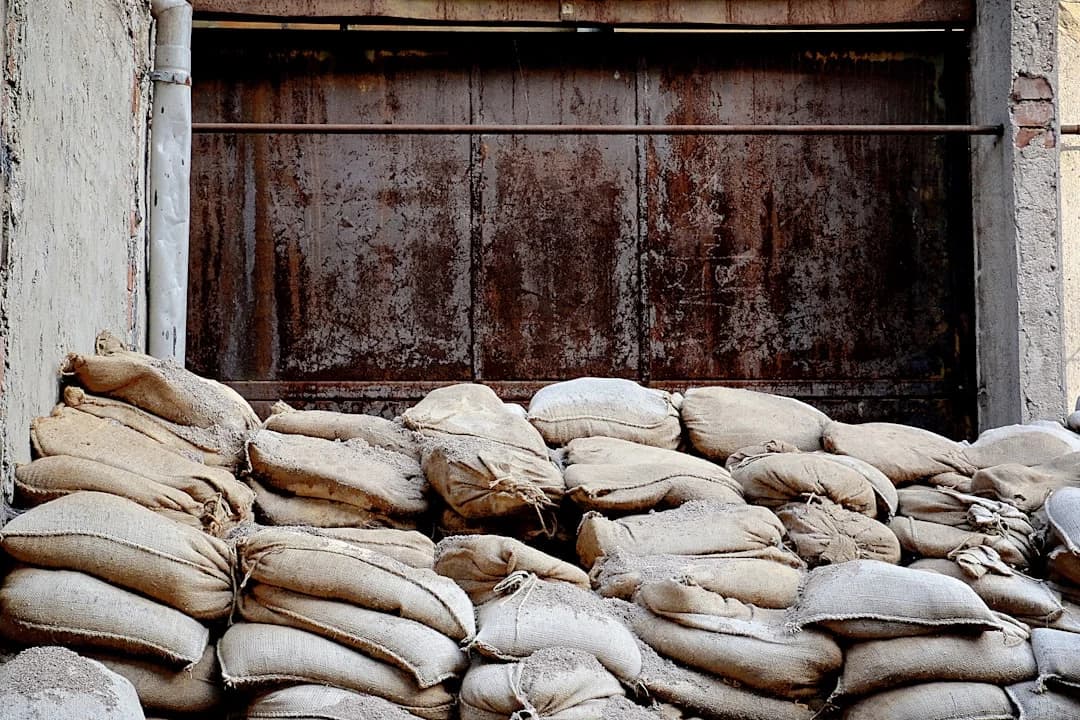
Photo by Phil Pluvio on Unsplash
The global economy is entering a defining year for supply chains. On November 29–December 1, 2026, Riyadh, Saudi Arabia will host the second UN Global Supply Chain Forum, a gathering that UNCTAD and Mawani say will focus on coordinated policy responses, resilient infrastructure, and digital integration to safeguard the uninterrupted flow of essential goods. The forum marks a concerted international bet that public‑private collaboration, tech-enabled resilience, and policy alignment can reduce fragility in a world of persistent volatility. The announcement—made in late February 2026 and reaffirmed by UN agencies—comes as governments and corporations face ongoing disruptions from geopolitical shifts, tariff policy churn, climate-related events, and evolving global trade patterns. The event’s timing and format underscore a broader, data-driven push to embed resilience into the core architecture of global value chains. (unctad.org)
Observers say the forum will serve as a milestone in the 2026 resilience agenda, aligning with a broader wave of research and policy activities that stress orchestration, distributed scale, and flexible sourcing as durable strategies for weathering structural uncertainty. The World Economic Forum’s Global Value Chains Outlook 2026, released in January 2026, frames resilience not as a one‑off fix but as an ongoing design principle—one that requires governance, data, and adaptive capabilities at both corporate and national levels. The report also introduces the Manufacturing and Supply Chain Readiness Navigator, a data‑driven tool intended to support footprint decisions and policy execution as part of a longer runway toward resilient manufacturing ecosystems. (weforum.org)
As 2026 unfolds, the emphasis on resilience as a strategic priority is reflected across several leading analyses. Marsh, a risk consultancy, enumerates a set of challenges—from geopolitical uncertainty to cybersecurity—that will shape supply chain decisions in 2026. The firm highlights that risks have become more interconnected, with climate shocks and tariff volatility compounding traditional disruptions, and it notes a persistent demand for end‑to‑end visibility and diversified sourcing as shield against shocks. The Up‑front takeaway is that technology, data, and smarter risk modeling will be central to survival and competitiveness in 2026. (marsh.com)
Opening paragraph The UN Global Supply Chain Forum 2026 is slated to bring together government leaders, corporate executives, and international organizations to address systemic risks affecting global trade. The event in Riyadh will focus on policy coordination, resilient infrastructure, and digital trade systems to ensure the continued, predictable movement of goods across borders. This initiative is part of a broader, data‑driven effort to reimagine supply chains as strategic assets for resilience and growth, rather than mere cost centers. In parallel, researchers and corporate practitioners are highlighting near‑term technology investments—ranging from AI‑enabled decision support to unified visibility platforms—that promise to improve agility in the face of ongoing volatility. (unctad.org)
Section 1: What Happened
Announcement origins
UNCTAD and Mawani set the stage for 2026
The UN Trade and Development Organization (UNCTAD), in partnership with Saudi Arabia’s Mawani (the Saudi Ports Authority), announced the second edition of the UN Global Supply Chain Forum for 2026. The forum is designed to build on the inaugural event held in Bridgetown, Barbados, and aims to rally global leaders around practical policy responses that strengthen resilience, sustainability, and digital integration in trade logistics. The official statement underscored that the 2026 forum will address systemic risks—from geopolitical fragmentation to climate‑induced disruptions—and will mobilize action to keep essential goods flowing even in times of crisis. The Saudi host’s involvement is framed within Vision 2030 as a role model for resilient, interconnected logistics ecosystems. (unctad.org)
February 2026 update confirms the Riyadh date and priorities
A February 27, 2026 UNCTAD update reaffirmed that the 2026 Forum will take place in Riyadh, Saudi Arabia, from November 29 to December 1, 2026. The article emphasizes the objectives of shifting trade policy and investment toward more resilient, low‑carbon, digitally enabled logistics—key themes that align with broader international efforts to de‑risk supply networks while sustaining openness to global commerce. The update notes multiple priorities, including strengthening critical infrastructure, accelerating digital trade systems to improve efficiency and cybersecurity, and supporting vulnerable economies through targeted capacity building and trade facilitation. (unctad.org)
The broader context: a global shift toward resilience
In parallel with the UN forum news, the World Economic Forum’s Global Value Chains Outlook 2026 frames resilience as a structural condition rather than a temporary response. The report argues that the era of volatile demand and geopolitically induced fragility requires rethinking supply chain design through orchestration, distributed scale, and optionality, with governments playing a policy‑enabling role. The document also highlights the introduction of a practical navigator tool to help leaders decide where to locate production and how to align policy with private sector actions. This framing situates the UN event within a wider, data‑driven push to knit resilience into supply chains at every tier. (weforum.org)
Private sector risk intelligence complements the public agenda
Major risk consultancies have been weighing in with year‑ahead risk maps that echo the forum’s ambitions. Marsh’s 2026 trends emphasize geopolitical uncertainty, climate volatility, workforce constraints, and cybersecurity as cross‑cutting risks that will demand improved visibility and sophisticated risk transfer. The emphasis on end‑to‑end visibility and dynamic scenario planning—along with cost‑optimization strategies that avoid brittle single‑sourcing—mirrors the forum’s stated emphasis on resilience through orchestration and digital fortification. (marsh.com)
Section 2: Why It Matters
Impact analysis: who it affects and why
Global resilience demands coordinated policy and corporate action

The OECD’s resilience framework is explicit about the need for public‑private collaboration to strengthen critical supply chains. The organization argues that resilience requires not retreat from trade, but a set of agile policy tools and governance mechanisms that enable firms and economies to anticipate vulnerabilities and respond effectively. This logic underpins the Forum’s emphasis on policy coherence, risk data sharing, and cross‑border cooperation. As global trade policy becomes more complex and fragmented, the public sector’s role in facilitating predictable, transparent, and stable rules grows more critical. (oecd.org)
Corporate readiness and technology adoption are accelerating
The UPS 2026 Supply Chain Outlook emphasizes that resilience will be the decisive competitive advantage in a year characterized by Tariff volatility, shifting demand, and evolving technology investments. The report highlights lane‑level strategies, multimodal flexibility, and end‑to‑end visibility as essential capabilities, while also pointing to a growing reliance on digital platforms (and governance) to coordinate across suppliers, carriers, and customers. The emphasis on visibility, real‑time analytics, and automation dovetails with the Forum’s agenda to digitalize and orchestrate global supply chains for greater reliability. (ups.com)
Nearshoring and regional diversification gain traction
Nearshoring remains a central theme in 2026, reflecting a deliberate shift away from single‑region vulnerability toward diversified, regionalized networks. TechTarget’s synthesis of 2026 trends notes nearshoring as a persistent strategy, while the UPS outlook highlights nearshoring as a practical means to reduce exposure to tariffs and geopolitical shocks. Meanwhile, the MHL News analysis frames nearshoring as part of a broader strategy to balance resilience with cost, and to re‑imagine the geography of supply chain operations in a way that preserves trade openness. (techtarget.com)
Visibility and data governance become core capabilities
End‑to‑end visibility is identified across multiple sources as foundational to resilience in 2026. The UPS and Marsh reports stress that real‑time data, predictive analytics, and integrated platforms are no longer luxuries but operational necessities. The OECD and WEF discussions reinforce that data sharing, standardization, and governance are essential to turning visibility into actionable resilience, enabling firms to reconfigure supply chains quickly in response to emerging shocks. The convergence of visibility with AI‑driven disruption planning is a recurring theme across industry analyses. (ups.com)
What this means for inflation, earnings, and market sentiment
Analysts say that resilience investments—such as regional diversification, supplier data integration, and rapid scenario modeling—could mitigate cost volatility and stabilize earnings in the face of tariff surprises and climate disruptions. By improving forecast accuracy and reducing lead times, firms may dampen the pass‑through of shocks into prices. Policy observers argue that coordinated, well‑designed resilience strategies can support smoother trade flows and reduce energy and commodity price pressures linked to supply chain bottlenecks. The net effect is a nuanced, data‑driven picture in which resilience becomes a contributor to price stability and earnings quality, rather than a driver of cost inflation in all sectors. (ups.com)
Section 3: What’s Next
Timeline, next steps, and indicators to watch
Near-term milestones and events to monitor
- November 29–December 1, 2026: The UN Global Supply Chain Forum in Riyadh, Saudi Arabia, will gather global policymakers, business leaders, and international organizations to translate dialogue into concrete actions on resilience, trade facilitation, and digital logistics. Observers will monitor the adoption of policy recommendations and the launch of any collaborative initiatives tied to the forum’s priorities. (unctad.org)
- Early 2027: Following the forum, industry groups and national governments are expected to publish roadmaps, policy pilot programs, and investment announcements tied to resilience objectives. The World Economic Forum’s Navigator tool and related policy playbooks are likely to gain traction as reference frameworks for footprint decisions and regulatory alignment. (weforum.org)
What to watch in technology and operations
- AI‑enabled disruption management: Expect continued embedding of AI in planning, forecasting, and decision‑making tools across ERP, TMS, and WMS systems, as highlighted by TechTarget’s synthesis of 2026 trends. This trend is likely to accelerate, with enterprise architectures evolving toward more autonomous, agentic capabilities that can respond to disruptions in near real time. (techtarget.com)
- End‑to‑end visibility platforms: Visibility remains a top priority for reducing costs and improving customer service. Firms will invest in integrated platforms that unify data across transport, warehousing, and suppliers, with an emphasis on reducing upstream blind spots and enabling proactive risk responses. (ups.com)
- Nearshoring and regional sourcing: The strategic emphasis on regional supply networks will continue to shape investment in local capabilities, supplier development, and cross‑border logistics infrastructure. The tradeoffs between resilience, cost, and speed will guide corporate footprint decisions and policy incentives. (techtarget.com)
What to expect from policy and regulation
- Tariff volatility and trade policy: Policy uncertainty is likely to persist through 2027, given continuing debates over tariffs, sanctions, and green‑tech supply chain rules. Expect ongoing updates to trade compliance regimes, border measures, and sustainability requirements, including carbon regulations that affect import and manufacturing decisions. The UPS trade outlook and OECD analysis both highlight policy as a central determinant of supply chain strategy. (ups.com)
- Investment in critical infrastructure: Forum participants will likely push for prioritized investment in ports, inland corridors, and digital infrastructure to reduce bottlenecks and improve resilience against climate and geopolitical shocks. UNCTAD’s emphasis on infrastructure modernization and sustainable shipping aligns with a broader push to align private capital with resilience objectives. (unctad.org)
Closing As the world braces for ongoing disruption and volatility, the global momentum behind resilience remains strong. The November 2026 UN Global Supply Chain Forum in Riyadh signals a sustained commitment to turning resilience into a governance issue, a technology problem, and a strategic business imperative. In parallel, the January 2026 Global Value Chains Outlook from the World Economic Forum and Kearney frames resilience as a core operational design principle for both multinational networks and national economies. The confluence of policy dialogue, risk analytics, and technology adoption points to a year—indeed a decade—in which resilience, rather than sheer efficiency, anchors the future of global trade and supply chains. For readers seeking to stay ahead, monitoring UNCTAD and WEF announcements, alongside updates from OECD, Marsh, and leading logistics providers, will provide early signals of how the resilience agenda translates into concrete acts and investments across industries.
To keep pace with the evolving landscape, Wall Street Economicists will continue tracking key developments: the Riyadh Forum’s outcomes, any accompanying policy measures, and the technology deployments that translate resilience theory into practice. Readers should watch for detailed summaries of the forum’s recommendations, pilots, and commitments, as well as corporate earnings commentary that reflects the impact of resilience investments on margins, supply reliability, and customer satisfaction. In a year when global supply chain resilience 2026 is more than a trend—it is a strategic requirement—staying informed matters more than ever. (unctad.org)