Macro Trend Analysis: April 2026 Markets

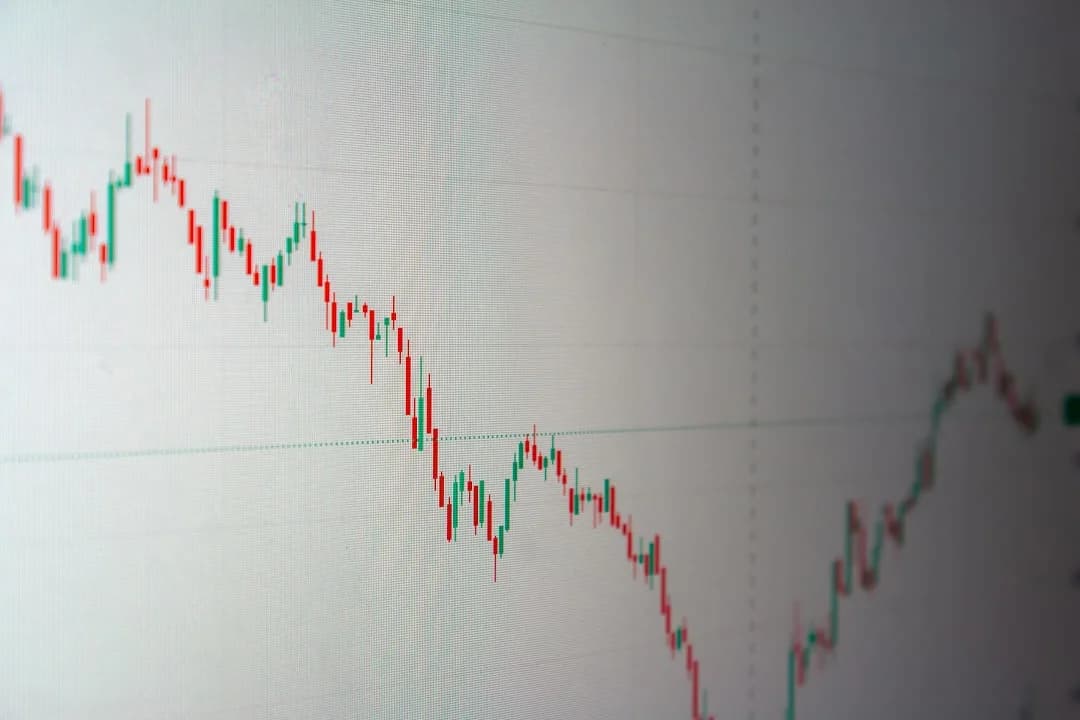
Photo by Arturo Añez on Unsplash
The Wall Street Economicists delivers a data-driven view of the latest macro indicators shaping investment decisions across stocks, the Federal Reserve’s policy outlook, inflation dynamics, cryptocurrency markets, and U.S. real estate. This is a data-driven macro-trend-analysis-april-2026-stock-fed-inflation-crypto-real-estate snapshot designed for investors, analysts, and policymakers seeking a concise, evidence-based read on where the big markets stand as of late April 2026. The news cycle this month centers on a held-forward policy path from the Federal Reserve, inflation signals that remain above target in certain dimensions, and a housing sector that is navigating higher rates while showing pockets of resilience. The latest Federal Reserve communications, macro projections, and housing data provide a coherent, if nuanced, view of the cross-asset backdrop that readers expect from a neutral, analytics-forward outlet. (federalreserve.gov)
This opening is anchored by the Fed’s March 2026 framework, a set of inflation forecasts, and the projected trajectory for the federal funds rate. The Fed’s March 18, 2026 communications, including the Summary of Economic Projections (SEP) and the policy statement, show that policy remains restrictive but intentionally so as inflation evolves. The SEP indicates a median expectation of 3.4% for the federal funds rate at year-end 2026 and 3.1% at the end of 2027, while the committee’s immediate target range is preserved at 3.50% to 3.75%. Those numbers—together with the 2.7% PCE inflation forecast for 2026 and 2.2% for 2027—frame the near-term market backdrop. This is a central hinge for equities, fixed income, and risk assets as the year unfolds. (federalreserve.gov)
The broader macro backdrop remains influenced by a mix of tariff-driven price pressures and energy-price dynamics in a heightened geopolitical environment. Powell underscored that near-term inflation is affected by oil costs and tariff transmission, while longer-run expectations stay anchored toward the 2% goal. Investors should watch how energy prices evolve and how tariff-related pass-throughs unfold over the next several quarters, as these will interact with still-elevated goods inflation and lingering services inflation. The Fed’s stance reflects a careful balancing act between disinflation progress and the risk that external shocks could re-accelerate price pressures. >We will continue to monitor the risks to both sides of our mandate, both upside and downside, as data come in.‹Powell, March 18, 2026›. (federalreserve.gov)
Section 1: What Happened
Fed Policy Decision and Timing
March 18, 2026 meeting outcomes

Photo by Maxim Hopman on Unsplash
In a decision consistent with a cautious, data-driven stance, the Federal Reserve decided to maintain the target range for the federal funds rate at 3.50% to 3.75% at the March 17–18, 2026 FOMC meeting. The policy statement acknowledged ongoing uncertainty around the economic outlook and the potential inflationary implications of energy prices and tariff effects, while signaling that the committee remains prepared to adjust policy as incoming data warrant. This is the kind of hold-and-monitor approach that markets have priced in for several FOMC cycles, with the FOMC emphasizing data dependence and the readiness to respond to evolving conditions. (federalreserve.gov)
SEP projections and rate-path signaling
The SEP released alongside the March decision shows a central tendency where the median participant expects the funds rate to end 2026 at around 3.4% and 2027 at 3.1%, signaling a path that is modestly lower than prior expectations but still above the pre-2024 normalization level. In addition, the SEP raises near-term inflation projections modestly, with total PCE inflation forecast at 2.7% for 2026 and 2.2% for 2027, indicating a gradual moderation rather than an abrupt pivot toward aggressive easing. The market will parse these dot-plot revisions against incoming data to gauge whether the inflation glide path remains on track or encounters stubborn pockets, particularly in goods and tariff-driven channels. (federalreserve.gov)
Market interpretation and immediate implications
For equities and fixed income, the March 2026 outcome reinforces a scenario in which rates are unlikely to move aggressively in the near term, but the direction and tempo of any potential cuts will hinge on how quickly inflation consolidates back toward 2% and how the labor market evolves. Analysts and portfolio managers cited by market commentary throughout March noted the balance between the resilience in wages and employment versus the potential for energy-price shocks to reintroduce price pressure. The Fed’s stance—holding rates steady while signaling optionality on future adjustments—supports a measured approach to risk assets, with investors seeking clarity on the inflation trajectory and the health of consumer demand. (am.jpmorgan.com)
Economic Data Highlights
Inflation readings and price momentum
February’s PCE inflation reading sits in the backdrop of the March SEP, with the Fed noting total PCE inflation around 2.8% and core PCE near 3.0% on a year-over-year basis, reflecting persistent but gradually waning price pressures in the goods sector, including tariff-driven components. The data underscore that while inflation has cooled from the mid-2020s peak, it remains above the Fed’s 2% target in the near term, complicating the path back to sustained price stability. (federalreserve.gov)
Growth, unemployment, and the labor backdrop
The March SEP also indicates a modestly positive view on growth, with the median projection for real GDP growth around 2.4% in 2026, easing to about 2.3% in 2027 and 2.1% in 2028. Unemployment is projected to drift toward the mid-4% range over the forecast horizon, with a longer-run rate near 4.0% to reflect a normal labor market. These labor-market dynamics feed into consumer demand, business investment, and corporate earnings, all of which influence stock valuations and sector rotation. (federalreserve.gov)
Energy and geopolitical risk in inflation
Powell’s remarks highlighted that oil-price movements driven by the Middle East conflict are likely to contribute to short-term inflationary pressure, even as longer-term supply-side dynamics and tariff normalization gradually reduce price pressures. The committee’s discussion around “look-through” for transitory energy effects remains a key line of judgment for policymakers as they weigh whether to adjust the policy rate in the coming meetings. The Fed’s framing suggests policy will stay data-driven, with potential adjustments contingent on the evolution of energy costs and tariff pass-throughs. (federalreserve.gov)
What’s Happened in Real Markets
Real estate signals amid rate uncertainty

Photo by Behnam Norouzi on Unsplash
Housing-market indicators in early 2026 reveal a mixed picture: the FHFA House Price Index (HPI) rose by a modest 0.1% in January 2026 from December 2025, suggesting a pause in the rapid price acceleration seen in the previous cycle. On a year-over-year basis, the FHFA HPI showed about a 1.6% rise in January 2026 compared with January 2025, signaling that price gains are more subdued than a few years ago. The S&P CoreLogic Case-Shiller index told a similar story of cooling momentum across major markets, particularly in the 20-City composite, as higher financing costs and slower housing demand weighed on price growth. These housing signals align with a broader macro environment in which mortgage rates remained elevated and affordability remained stretched, but housing prices did not collapse, indicating a delicate balance between demand and supply. (fhfa.gov)
Crypto markets and macro resilience
In parallel, cryptocurrency markets continued to reflect the macro backdrop: Bitcoin traded at elevated price levels through April 2026, with spot-price dynamics influenced by ETF inflows, institutional participation, and macro funding conditions. Market data in late April showed BTC around the $75,000–$78,000 band, supported by macro inflows and an ongoing narrative around digital assets as a potential hedge and risk-on instrument in a mixed macro regime. While crypto remains volatile, the price path in April 2026 has been supported by broader liquidity conditions and continued interest from institutional allocators in crypto-linked vehicles. (crypto.com)
Stocks and macro risk premiums
Across equities, investors have treated the March Fed hold as a signal that the central bank’s priority remains inflation containment rather than rapid easing. As a result, equity valuations have remained sensitive to shifts in inflation data and wage dynamics, with market participants watching a slate of upcoming data releases for confirmation of a durable disinflation path. Market commentary from investment banks and asset-management firms highlighted that even with a steady policy rate, the path of future rate cuts, earnings growth, and sector-specific catalysts would be decisive for sector leadership in 2026. (am.jpmorgan.com)
Section 2: Why It Matters
Implications for Markets and Investor Decision-Making
The rate path and the inflation envelope

Photo by Aedrian Salazar on Unsplash
The Fed’s March 2026 communications anchored expectations for a gradual policy-path normalization rather than immediate, aggressive easing. The combination of a 3.50%–3.75% target range and a year-end 2026 funds-rate projection near 3.4% suggests that investors should prepare for a period in which monetary policy remains modestly restrictive while inflation converges toward target. This dynamic has direct implications for stock valuations, fixed-income risk premia, and the relative performance of growth versus value sectors. The SEP’s inflation forecasts—2.7% for 2026 and 2.2% for 2027—provide a framework for discount-rate assumptions used in equity models and fixed-income duration strategies. (federalreserve.gov)
Real estate’s sensitivity to macro and policy signals
Real estate markets remain influenced by financing costs, demand-supply dynamics, and macroeconomic momentum. While the January 2026 FHFA HPI data show a slim monthly gain and a positive YoY, the pace of home-price appreciation has cooled from peak periods earlier in the decade. The January momentum, alongside the Case-Shiller signal of cooling price growth, points to a housing market that is treading water in many regions, even as a few markets exhibit relative strength. Mortgage-market frictions, affordability constraints, and housing supply constraints will continue to shape real estate performance in 2026. For readers, these housing trends underscore the importance of considering housing-market exposure in diversified portfolios and in real-estate-focused strategies such as REITs and property ETFs. (fhfa.gov)
Crypto as a macro-asset within a diversified framework
Crypto markets have matured into a more market-wide macro asset in the eyes of many investors, with flows into spot ETFs and institutional participation providing a stabilizing, though still volatile, price driver. As of April 2026, BTC’s price dynamics have remained tied to macro headlines—policy expectations, inflation prints, energy price volatility, and regulatory developments. Analysts and data Platforms noted the role of macro factors in shaping crypto price action, reinforcing the argument that investors should view cryptocurrencies as part of a broader macro toolkit rather than as an isolated hedging instrument. (crypto.com)
Who Is Affected and What It Means for Sectors
Financial markets and asset allocators
Institutional and retail investors alike are adjusting portfolios to the reality of a policy path characterized by data dependence and risk management around inflation print volatility. For many, the right stance is to emphasize quality earnings, balance-sheet discipline, and hedging against persistent inflation risks, while maintaining optionality for duration and equity exposures as the inflation narrative evolves. The Fed’s projections and the near-term rate path suggest that cautious risk management remains prudent, particularly in rate-sensitive sectors such as technology-driven growth equities and high-duration fixed-income assets. (federalreserve.gov)
Housing and construction sectors
Builders, home-improvement retailers, and mortgage lenders face a market where demand remains constrained by affordability but supported by a tight supply of stock in certain metros. The January 2026 HPI data indicate ongoing price resilience at a national level, while the regional variation in Case-Shiller data implies the need for granular, metro-level analysis when evaluating real estate investment opportunities. Investors may consider REITs focused on residential real estate or select commercial real estate segments where occupancy demand remains robust, even in the face of higher financing costs. (fhfa.gov)
Tech and growth-oriented equities
Technology and innovative sectors typically exhibit sensitivity to both macro policy and inflation expectations. A higher-for-longer stance can weigh on multiple expansion narratives, while a more favorable inflation trajectory would support a broader risk-on environment. The Fed’s stance in March 2026 indicates that while rate relief is on the horizon if inflation continues to decelerate, the pace of that relief remains contingent on data. As a result, technology equities could experience volatility tied to macro catalysts, earnings surprises, and shifts in risk appetite. (federalreserve.gov)
What the Data Say About the Broader Macro Narrative
Inflation dynamics in a shifting regime
The combination of tariff-driven price pressure and energy-price volatility creates a nuanced inflation narrative. The Fed’s own projections indicate a path toward 2% inflation over time, but the near-term data have shown inflation lingering above target in certain components. The ongoing macro question is whether inflation prints will continue to cohere with the Fed’s forecasts or whether external shocks push inflation higher or longer than anticipated. This has implications for the pace of monetary-policy normalization and the risk premium embedded in asset prices. (federalreserve.gov)
Growth prospects and labor-market health
With a projected GDP growth rate around 2.4% for 2026 and unemployment around the mid-4% range, the economy remains in a moderate-growth trajectory. This supports a scenario in which earnings growth can sustain without a sharp ramp in labor-cost pressures, provided productivity gains and investment continue to support revenue growth. Investors will want to monitor quarterly earnings trends, capex plans, and consumer demand signals as the year progresses. (federalreserve.gov)
The policy-communication dynamic
The Fed’s communication strategy—transparent about uncertainty, data-dependent, and ready to adjust as new information arrives—remains central to market expectations. The March 18, 2026 press conference emphasized a cautious approach to policy adjustments, reinforcing the idea that the central bank will not rush to cut rates if inflation proves stickier than anticipated. Market participants will be listening for new inflation signals, labor-market developments, and global risk factors in the weeks ahead. (federalreserve.gov)
Section 3: What’s Next
Near-Term Outlook and Policy Path
Short-term policy trajectory
The policy framework established in March 2026 suggests a pause in rate changes through at least the second quarter, with the possibility of later adjustments contingent on inflation progress and the evolution of external risks. The market will watch for fresh SEP updates, new labor-market data, and PCE inflation prints to refine expectations for any potential rate changes in 2026. The Fed’s message underscores a dynamic path that could shift if tariffs, energy, or global events produce outsized inflation impulses or disinflation accelerates more quickly than anticipated. (federalreserve.gov)
Data to monitor in the next few releases
Key data to monitor include the following:
- PCE inflation, both total and core, to confirm the inflation trajectory toward the 2% target.
- Unemployment and labor-force participation trends to assess health of the labor market.
- GDP growth and business investment indicators to gauge underlying momentum.
- Housing market prints (FHFA HPI, S&P Case-Shiller) to evaluate demand-supply dynamics in real estate.
- Crypto-market developments, including ETF inflows and regulatory signals, which could influence appetite for crypto-related assets as macro risk-on/off signals shift. (federalreserve.gov)
Signals to Watch for April–June 2026
Macro headline risk and policy responses
If energy prices stabilize and tariff effects begin to unwind, inflation could move closer to the Fed’s target more quickly, potentially opening room for a measured policy rate cut later in 2026. Conversely, persistent inflation or a renewed energy shock could keep policy restrictive longer than currently anticipated. Market participants will be listening for a cadence of data releases that either validate or challenge the current SEP projections. (federalreserve.gov)
Sector-specific watch items
- Technology and growth equities: sensitivity to the rate-path and earnings momentum.
- Real estate: housing affordability, mortgage-rate trends, and regional price momentum.
- Crypto: regulatory developments, ETF inflows, and macro liquidity conditions; crypto remains a macro-asset in a diversified portfolio.
- Financials: credit quality, loan demand, and deposit base dynamics as monetary conditions evolve. (federalreserve.gov)
What’s Next: the timeline and the next steps
- April–May 2026: Key inflation and labor-market data releases; potential updates to forecasts if data surprise to the upside or downside.
- June 2026: Possible FOMC communications if inflation remains above target or if growth shows a meaningful acceleration or deceleration.
- Throughout 2026: Market participants will place bets on rate cuts based on the inflation glide path and how quickly wage pressures ease. The Fed’s communications will continue to emphasize flexibility and conditional action based on evolving data. (federalreserve.gov)
Closing
The April 2026 snapshot presented here emphasizes a data-driven, neutral analysis of macro trends across stock markets, the Fed’s policy path, inflation dynamics, crypto markets, and real estate. The core message is one of cautious optimism tempered by the recognition that inflation remains a moving target and energy-price dynamics and tariff pass-throughs can shape momentum in unexpected ways. The Fed’s March 2026 stance—holding rates at 3.50%–3.75% with a data-dependent outlook—serves as a fulcrum for this multi-asset environment, and the latest housing and inflation data suggest a landscape that is neither a boom nor a bust, but a steady evolution toward more sustainable growth and price stability. As always, readers should stay tuned to the next wave of data releases, central-bank communications, and market signals to refine their assessments of macro-trend-analysis-april-2026-stock-fed-inflation-crypto-real-estate and adjust portfolios accordingly.
In the weeks ahead, Wall Street Economicists will continue to publish timely updates and deeper dives that translate these data into actionable insights for investors and policymakers. We will monitor the Fed’s decisions, inflation developments, housing-market momentum, and the evolving role of crypto within a diversified framework, ensuring readers have a clear, concise, evidence-based view of how macro trends are shaping markets in April 2026 and beyond. (federalreserve.gov)