Stock market movements February 2026: Tech Rally and Risks
Explore February 2026 stock market movements with data-driven insights on tech-led swings, investment strategies, and earnings signals analysis.
 By Catherine Brewer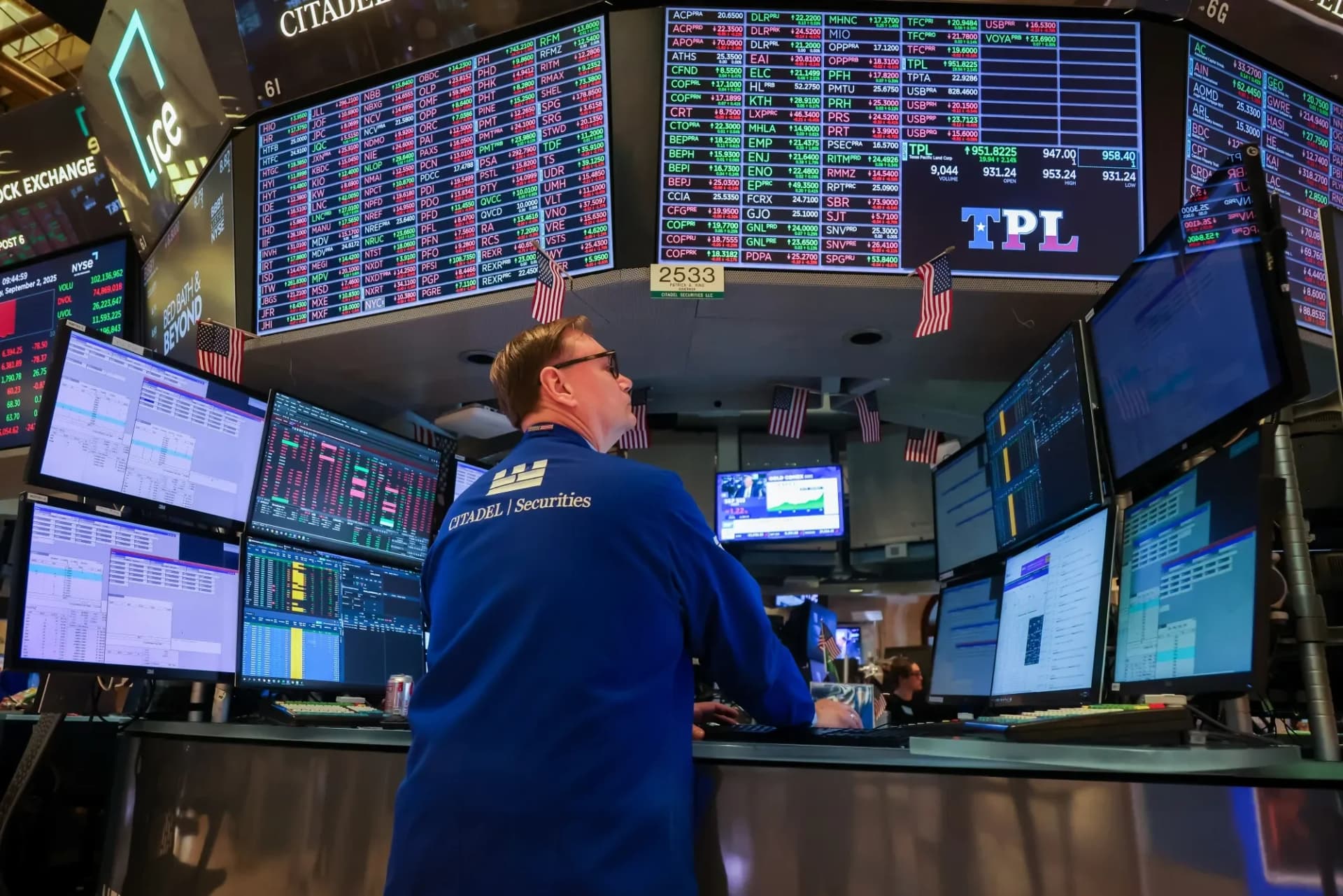
February 2026 arrived with a data-rich narrative for investors: a tech-led flywheel that powered dramatic intraday swings, tempered by valuation discipline and evolving policy signals. The phrase stock market movements February 2026 now anchors a period where AI spending, earnings updates, and macro dynamics collided in ways that both vindicated and tempered enthusiasm for the technology megatrend. Across major U.S. indices, a decisive pivot occurred on the first full week of February as technology concerns and AI spending captured attention, followed by a rally that briefly crossed a historic milestone and then tempered into a more nuanced risk/reward landscape. For readers of Wall Street Economicists, the month offers a clear case study in how data, earnings, and sector rotations shape market trajectories in real time. This analysis uses concrete day-by-day data points to map the evolving picture of stock market movements February 2026, spotlighting the drivers, the victims, and the opportunities that emerge when the AI investment cycle hits a critical mass. The opening data points are telling: on February 6, 2026, the Dow closed above 50,000 for the first time, a milestone that underscored a risk-on turn even as breadth and volatility remained elevated. The Dow finished the session at 50,115.67, up about 2.5% for the day, while the S&P 500 rose roughly 2.0% to 6,932.30 and the Nasdaq surged about 2.2% to 23,031.21. Nvidia, a bellwether in the AI hardware rally, led the move with a roughly 7.8% intraday gain. These developments set the tone for a month in which AI-driven hardware and software names alternated leadership with broader market rotations. (nasdaq.com)
By February 17, 2026, the mood had shifted again as investors weighed earnings signals, inflation data, and the pace of rate expectations. The S&P 500 stood at 6,843.22, the Dow at 49,533.19, and the Nasdaq at 22,578.38, with the day recording a modest move higher for the broad market but continuing to reflect a market grappling with elevated valuations and a tech-centric risk premium. The intraday volatility that characterized the early February period persisted, illustrating the ongoing tension between optimism about AI-driven productivity and concerns about how far valuations can extend in an environment of uncertain monetary policy. (apnews.com)
This piece offers a data-driven trend analysis of stock market movements February 2026, anchored by concrete price levels, sector dynamics, and the evolving narrative around technology spending, profitability, and market sentiment. The analysis highlights how a single month can serve as a microcosm for a longer-term thesis: the AI investment cycle continues to be a powerful driver of price discovery, even as investors demand proof of sustainable earnings and cash flow. The aim is to equip readers with a balanced view of the opportunities and risks embedded in February 2026 market action, and to translate those insights into practical implications for portfolios, risk management, and strategic planning.
What's Happening in February 2026
Tech-Driven Market Swing
February 2026 reinforced the centrality of technology and AI-related spending in driving market direction. The first week delivered a sharp reversal: Nvidia’s leadership in AI hardware helped spark a broad rally, while concerns about AI-related capex and potential overhangs on software and chip valuations kept a lid on enthusiasm in some segments. On February 6, Nvidia’s stock surged, contributing to a broader tech-led rebound that pushed major indices higher and helped the Dow cross the 50,000 threshold for the first time. Nvidia’s performance on that day was emblematic of the AI infrastructure cycle and the willingness of investors to reward those firms that stand to benefit from the AI buildout. The AI investment narrative, driven by high-profile capex plans from hyperscalers and enterprise buyers, remained a persistent force behind price moves in both large- and mid-cap tech names. (ts2.tech)
Case metrics from the period underscore the tech-driven tilt. The Dow’s 50,115.67 close on February 6 marked a landmark milestone, while the S&P 500 and Nasdaq also posted meaningful gains: the S&P 500 rose about 2.0% and the Nasdaq about 2.2% on that day, underscoring a broad risk-on environment that was heavily weighted toward technology and AI-centric equities. Subsequent days saw volatility as investors digested earnings pacing, capital allocation guidance, and the pace of inflation news, but the initial reaction demonstrated the market’s readiness to assign significant value to AI-driven productivity opportunities. (nasdaq.com)
Beyond the big-day headlines, the period showed a nuanced rotation. Sector performance data from the first week of February highlighted divergent paths: while materials and industrials often carried the market higher on risk-on days, information technology and energy displayed periods of more pronounced volatility, reflecting a tug-of-war between AI-enabled growth bets and concerns about growth sustainability. The net result, according to market trackers, was a mixed, but directional, environment where the breadth of participation lagged the strength of a few standout leaders. This is a characteristic feature of stock market movements February 2026: pockets of outsized gains in AI-enabled franchises tempered by volatility in other corners of the market, especially where valuations stretched or earnings visibility was uncertain. (lpl.com)
Real-world examples during February 2026 illustrate the breadth and complexity of the dynamic. On February 6, the market rally was led by AI-related semiconductors and hyperscale tech, with Nvidia’s surge acting as a catalyst for broader risk appetite. Conversely, on a later trading day, the market pivoted as investors rotated out of software and AI-centric names, reflecting concerns about the pace and profitability of AI investments and the potential for slower-than-expected near-term earnings growth across the sector. These dynamics underscore a fundamental theme of stock market movements February 2026: the AI cycle can drive rapid price acceleration, but the durability of that rally depends on confirmed earnings signals and the ability of AI-driven business models to translate into real cash flow. (ts2.tech)
Who’s affected? The impact is uneven. Large-cap tech and AI hardware players often benefited most on days of strength, while software names and certain AI-related equities faced retrenchment during periods of risk-off sentiment. At the same time, more cyclically oriented areas—industrials, materials, financials—sometimes captured bursts of activity as investors rotated into value-oriented segments or took profits in overextended growth bets. These patterns align with broader market research from early February, which showed continued rotation and dispersion across sectors as traders digested earnings results and macro signals. (lpl.com)
Comparison snapshot: major indices around February 6 and February 17, 2026 | Index | Feb 6 close | Feb 17 close | Change (Feb 6→Feb 17) | | S&P 500 | 6,932.30 | 6,843.22 | -1.3% (approx) | | Dow Jones | 50,115.67 | 49,533.19 | -1.2% (approx) | | Nasdaq Composite | 23,031.21 | 22,578.38 | -1.9% (approx) |
Notes:
- The February 6 close data reflect a dramatic rally with all three indices finishing higher; the Dow crossed 50,000 for the first time in history, and Nvidia’s leadership was a major driver. See: Dow 50,115.67; S&P 6,932.30; Nasdaq 23,031.21. (nasdaq.com)
- The February 17 close data show a modest pullback from the February 6 levels, with the S&P at 6,843.22, Dow at 49,533.19, and Nasdaq at 22,578.38, reflecting the ongoing balancing act in a high-valuation, AI-focused market. (apnews.com)
Real-world case studies Case Study 1: Nvidia’s AI capex surge and its market impact Nvidia’s performance in early February 2026 illustrates the direct link between AI infrastructure spending and stock prices in the tech ecosystem. The company led a broader AI hardware rally, with shares jumping meaningfully on anticipation of sustained demand for AI training and inference capabilities. This case study demonstrates how a single component of the AI value chain can disproportionately influence market sentiment and sector leadership during stock market movements February 2026. While the stock’s trajectory is subject to the usual volatility of a high-growth tech name, the February period reinforced the theme that AI-capex momentum remains a core driver of equity performance in technology and semiconductors. Nvidia’s example is not isolated; other AI hardware names and hyperscalers experienced similar dynamics as they benefited from the broader spending cycle and the expectation of durable demand. (ts2.tech)
Case Study 2: Meta-Nvidia partnership signals and sector implications A separate, influential development during February 2026 was the announcement of a multiyear strategic partnership between Nvidia and Meta Platforms to scale Meta’s AI infrastructure. The collaboration aimed to deploy Nvidia’s GPUs and related networking technologies across Meta’s hyperscale data centers, supporting AI training and inference workloads. The news signaled continued collaboration between leading AI hardware providers and major social platforms, with implications for capital allocation in data-center deployments and for the broader AI ecosystem’s competitive dynamics. The market responded with nuanced moves across AI stocks, reflecting both optimism about platform-scale AI adoption and caution about the pace of returns from such investments. (investors.com)
The macro backdrop and earnings cadence The February period also featured a broader macro backdrop that shaped stock market movements February 2026. Market watchers noted the resilience of labor markets and consumer demand, even as higher AI-related capex raised questions about near-term profitability in software and hardware segments. A number of observers highlighted sector breadth as a potential area of risk—and opportunity—depending on how well firms translate AI investments into revenue growth and margin expansion. This nuanced monetization question has been a recurring theme in early 2026 as investors weigh the earnings path for AI-centered businesses against the sanctions of valuation multiples. A weekly market performance review published in early February showed S&P 500 up modestly while tech-heavy sectors navigated volatility, with the Dow posting solid weekly gains but Nasdaq bearing the brunt of tech volatility during the period. The analysis suggests that the February 2026 move was not simply about one day’s rally but about the evolving balance between AI-driven demand and the reality of earnings trajectories. (lpl.com)
Why it’s happening: market forces and drivers
AI Capex and Tech Demand
A core driver of stock market movements February 2026 is the scale and pace of AI-related capital expenditure. Industry insiders and market analysts have repeatedly pointed to the heavy spending by hyperscalers and major tech firms as a major force shaping price action in the AI and data-center sectors. The magnitude of this spend—often measured in hundreds of billions of dollars in a given year—helps explain the outsized moves in Nvidia, AMD, Broadcom, and other AI-focused players, particularly when the market perceives a durable revenue path from AI deployments. In February 2026, the AI spend narrative remained central to the rally’s momentum on days when major AI infrastructure players posted favorable signals, and the corresponding price action in these stocks helped drive broader market participation. This theme is reinforced by industry reporting and comments from market participants highlighting the ongoing, massive scale of AI capex as a structural driver of technology equities. (ft.com)
Macro and Monetary Backdrop
The macro environment around February 2026 contributed to both the strength and the volatility observed in stock market movements February 2026. Investors assessed inflation trajectories, wage data, and the possibility of policy normalization as the year progressed. Some market observers noted that inflation momentum appeared to cool at the outset of the year, raising expectations that rate paths might soften or that the Fed could begin to adjust policy more gradually. This context supported a risk-on tilt at times, particularly when AI-related spending appeared to align with improving productivity expectations and potential earnings upside. Conversely, if inflation risks re-emerged or if earnings signals did not materialize as expected, the same macro backdrop could quickly swing sentiment back toward caution. The period’s price action and sentiment shifts illustrate how macro and micro drivers intersect in stock market movements February 2026. (apnews.com)
Industry Factors and Investor Sentiment
A notable factor in February 2026 was market breadth and sector rotation. While the AI-led rally elevated prices in technology hardware and select software names, investors also rotated into more cyclical and value-oriented areas when confidence in AI monetization wavered or when other sectors displayed attractive relative valuations. Market data during the period showed that, despite outsized gains in key AI stocks, broader indices experienced more measured moves, and the market’s breadth was not uniformly positive across all sectors. This dynamic supports a view that stock market movements February 2026 were not a one-way tilt toward tech; instead, the market reflected a complex balance of leadership in AI assets and prudence in valuations and earnings expectations across the broader market. (lpl.com)
What it means: business, consumers, and industry changes
Business Implications for Tech Firms
For technology firms, February 2026 underscored the ongoing importance of AI-enabled business models and the capital expenditure cycle that powers them. Firms with strong AI data-center demand, durable pricing, and scalable software platforms stood to benefit from both top-line growth and margin resilience as AI investments matured. For hardware-centric companies, the AI buildout represented a long-cycle opportunity, with the expectation of continued demand for GPUs, accelerators, and related networking technologies as enterprises deploy more AI workloads. The market’s reaction to Nvidia’s earnings signals and the Meta-Nvidia partnership news highlighted how AI infrastructure can influence valuation, investor confidence, and strategic planning within the technology sector. (investors.com)
Consumer Effects and Adoption
From a consumer perspective, the AI-driven productivity and personalized digital experiences underpin anticipated improvements in services, platforms, and product categories that leverage AI at scale. Early February 2026 price moves reflected optimism about consumer-facing benefits stemming from AI-enabled services and devices, even as investors remained vigilant about near-term earnings and the risk of a pullback in certain segments of the consumer tech ecosystem. The consumer impact of stock market movements February 2026 is mediated by the extent to which AI investments translate into improved service quality, lower costs, or new offerings that change everyday purchasing behavior. While concrete consumer-level metrics were not the sole focus of the month’s price action, the market’s sensitivity to AI-related corporate communications signaled that consumer-facing AI products are an important part of the broader investment narrative. (apnews.com)
Industry Structure Shifts
The sector-specific dynamics observed during February 2026 point to possible structural shifts in the technology industry. As AI hardware sales and cloud infrastructure capex grow, the competitive landscape may tilt toward firms with scale, data advantages, and the ability to monetize AI workloads effectively. The Meta-Nvidia partnership, alongside broader AI-capex momentum, highlighted a trend toward collaboration between platform companies and AI hardware leaders to accelerate deployment and scale AI-driven services. This could influence vendor relationships, capital allocation strategies, and the trajectory of technology stock leadership as the AI cycle progresses. (investors.com)
Looking ahead: 6–12 month predictions, opportunities, and preparation
6–12 Month Scenarios
For the next 6–12 months, the most plausible scenario for stock market movements February 2026 is a continued emphasis on AI-driven growth coupled with a disciplined earnings narrative. The sector’s performance will likely hinge on the actual monetization of AI investments, the pace of innovation, and the ability of major technology firms to convert capex into sustainable revenue growth and margin expansion. Market research and industry commentary from early 2026 suggested a balanced risk profile: a base case featuring modest volatility with selective leadership in AI hardware and cloud infrastructure, and a bear-case scenario in which valuations compress if earnings visibility proves more challenging than anticipated. Some macro forecasts from major financial research houses in early 2026 pointed to stable global growth and a non-recessionary outlook, while warning of the possibility of policy shifts or inflation surprises that could influence rate expectations and equity valuations. For investors, this implies staying vigilant about earnings discipline, maintaining a differentiated exposure to AI infrastructure players, and avoiding overconcentration in any single megacap name. (stockmarketwatch.com)
Opportunities for Investors
The February 2026 data supported several concrete opportunities:
- AI hardware and infrastructure providers with scalable deployment capabilities and differentiated technology.
- AI software platforms that monetize data, insights, and automation at scale.
- Industrials and cyclicals benefiting from AI-enabled productivity gains and industrial automation themes.
- International exposure where non-US markets may offer favorable relative valuations or exposure to AI-enabled growth in different cycles. Market performance in early February showcased a rotation toward value and cyclicals at times, suggesting that a diversified approach to AI-related opportunities—coupled with selective exposure to hardware and platform providers—could be attractive in the near term. Investors may also consider hedging strategies to manage volatility around policy shifts or earnings surprises. (lpl.com)
How to Prepare: Portfolio Adjustments and Risk Management
- Emphasize earnings quality and cash flow durability in AI-focused holdings. Ensure that price appreciation aligns with tangible revenue growth and margin expansion rather than speculative multiples alone.
- Maintain a balance between AI hardware leaders and software-enabled AI platforms to diversify risk across the AI value chain.
- Use risk controls that account for volatility spikes typical of high-growth tech cycles, including position sizing, stop-loss discipline, and scenario planning for rate and inflation sensitivity.
- Consider exposure to cyclical sectors that can benefit from AI-driven productivity and capital spending, such as industrials and financials, to achieve a more resilient portfolio during periods of AI consolidation or profit-taking.
- Keep an eye on international equities, which can offer diversification benefits and potential confirmatory signals during periods of US tech leadership. (lpl.com)
Closing Stock market movements February 2026 delivered a powerful reminder that technology and AI are not just themes but structural drivers of price discovery and capital allocation. The period highlighted a push-and-pull between a durable AI investment cycle and the need for earnings validation, with Nvidia’s leadership on the hardware side, Meta’s platform ambitions, and the broader market’s rotation shaping the narrative. For investors and business leaders, the key takeaway is clear: stay data-driven, monitor earnings trajectories, and position portfolios to participate in AI-enabled growth while maintaining resilience against volatility and valuation risk. The February data provide a template for how to think about opportunities as AI continues to transform both how value is created and how it is priced in financial markets. The path forward remains anchored in cash flow growth, reliable earnings signals, and a continued recalibration of risk as the AI economy evolves.
As always, this analysis will continue to evolve with upcoming earnings reports, macro readings, and AI hardware/software news cycles. The core lesson for readers focused on stock market movements February 2026 is that the AI infrastructure cycle remains a central engine—but not a sufficient condition for sustained gains without earnings validation and prudent risk management.