
Stock-Market-Movements-Fed-Policy-Inflation-2026 Update

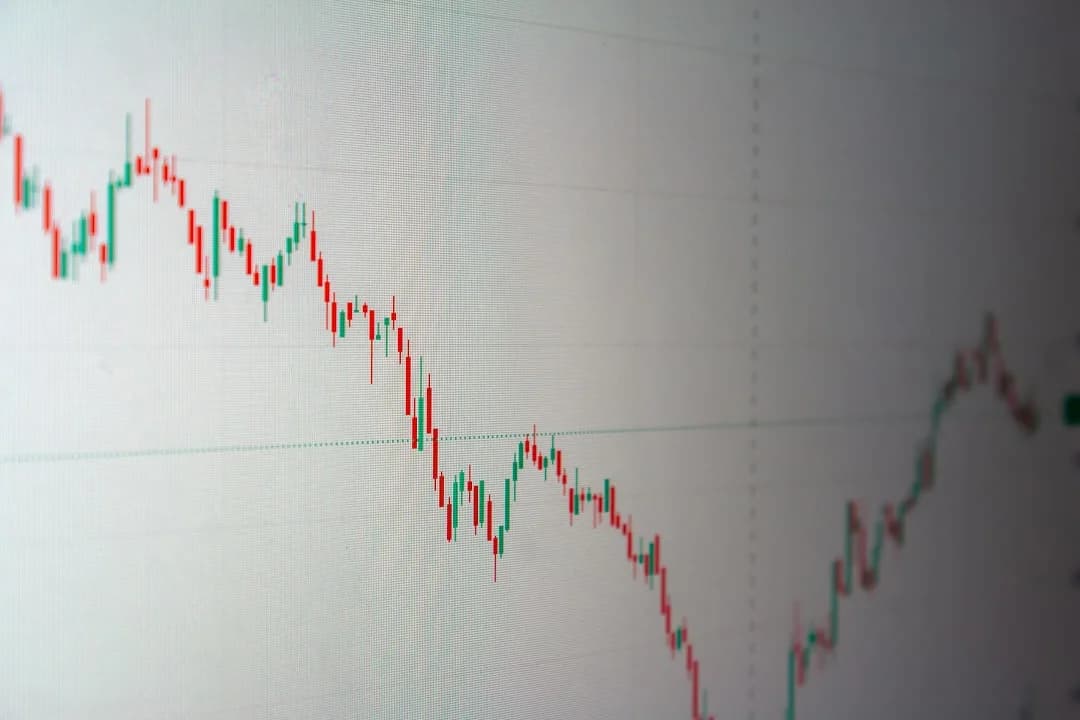
Photo by Arturo Añez on Unsplash
The day’s headlines center on the latest signals shaping stock-market-movements-fed-policy-inflation-2026: a mix of fresh inflation data, a pivotal Fed policy stance, and a market environment responding to a new tariff-related development that could recalibrate trade and pricing dynamics. On Friday, February 20, 2026, the U.S. Bureau of Economic Analysis released December 2025 personal income and outlays data, including the PCE price index, which rose 2.9 percent from a year earlier and showed a 0.4 percent month-to-month gain for December. The same BEA release also confirmed December personal consumption expenditures rose 0.4 percent, underscoring ongoing demand pressures as the year closes. Combined, these numbers illuminate the inflation backdrop that the Federal Reserve will weigh as it calibrates policy going forward. [BEA December 2025 PIO release; PCE data show 2.9% YoY and 0.4% monthly gains.] (bea.gov)
Markets also took note of the political and policy backdrop surrounding inflation and trade. A separate ruling by the U.S. Supreme Court on February 20, 2026, struck down President Donald Trump’s broad tariff framework, removing a source of tariff-driven pricing pressure from the economy and adding a new variable to the inflation and policy equation. Early reactions suggested a measured uplift in equity sentiment on the tariff ruling, even as investors remained vigilant for further signals on policy and inflation. The ruling’s implications for import costs and supply-chain resilience are still unfolding, but the immediate market impulse appeared constructive in U.S. equities trading. (apnews.com)
On the policy side, the Federal Reserve has signaled a cautious stance, emphasizing that policy will be set “meeting by meeting” as it monitors labor-market developments and inflation dynamics. The January 28, 2026 policy statement kept the federal funds rate in the 3.50% to 3.75% range, while underscoring that inflation remains “somewhat elevated” and that uncertainty about the economy remains elevated. Minutes released February 18, 2026 underscored lingering concerns about the pace of disinflation and the need to assess incoming data before charting the next steps. Taken together, these signals frame a data-driven debate about how quickly the Fed can or will cut rates in 2026 and how markets might respond. (federalreserve.gov)
Opening
The day’s news stream points to a carefully balanced path for stock markets, monetary policy, and inflation signals in 2026. The BEA’s December 2025 personal income and outlays release confirms a still-robust consumer that spent at a 0.4 percent PCE pace in December, even as overall inflation by the BEA’s preferred gauge remains elevated relative to the Fed’s 2 percent target. For investors, these data points underscore a key reality: the disinflation process is well underway in some components, yet services inflation and housing-related prices remain areas of concern that could influence the Fed’s rate-path calculus in the months ahead. In this context, the keyword stock-market-movements-fed-policy-inflation-2026 is not merely a string of search terms but a concise lens through which to assess the macro engine driving markets, policy, and technology-driven growth. The December PCE price index rose 2.9 percent year over year, and December PCE jumped 0.4 percent month over month, per BEA data released today; the December PCE price index excluding food and energy also posted a 2.7 percent year-over-year pace, highlighting the persistence of some inflation pockets. These readings come as the Fed debates how to normalize policy after three quarter-point rate cuts late last year and contemplates the balance of risks to growth and inflation in 2026. (bea.gov)
The same day’s coverage also reminds readers that the Supreme Court’s tariff-related ruling—struck down as unconstitutional—adds a potential tailwind for markets by removing a tariff-driven cost impulse that could have shown up in consumer prices and in corporate pricing strategies. While the immediate market reaction was positive, the broader implications for inflation and for the Fed’s next policy meeting remain a focal point for traders and policymakers alike. In short, stock-market-movements-fed-policy-inflation-2026 is unfolding as a suite of interlinked developments: inflation is threading a path toward target, policy remains data-dependent, and markets are trying to price in both the near-term stabilization and the longer-term trajectory of rates and growth. (apnews.com)
Section 1 — What Happened
Policy Moves and the Policy Path (### Fed Stance in Early 2026)
The first major development in 2026 was the Federal Reserve’s decision to hold rates steady at its January 27–28 meeting, keeping the target range for the federal funds rate at 3.50% to 3.75%. The decision, described in the January 28, 2026 FOMC statement, emphasized that the Fed would “carefully assess incoming data, the evolving outlook, and the balance of risks” before determining the extent and timing of any further adjustments to policy. Voting in favor of the hold included most members, with two governors (Stephen Miran and Christopher Waller) dissenting in favor of a quarter-point cut. The statement also reiterated the Fed’s commitment to its dual mandate: maximum employment and inflation near 2 percent over the longer run. This is a central signal for stock-market-movements-fed-policy-inflation-2026 as markets price the odds of future rate moves based on evolving inflation readings and labor-market signals. (federalreserve.gov)
Minutes released on February 18, 2026 add texture to the policy path. The minutes reveal the Committee’s ongoing vigilance about the inflation trajectory and its willingness to tolerate a patient approach to policy normalization, given uncertainties around the pace at which inflation will return to target. Several participants noted that inflation remains a central concern, while others emphasized the need for more evidence that disinflation is durable across services and housing components. The minutes also show that the Committee’s staff projections and the members’ dot plots reflect a spectrum of views about the number and timing of potential rate cuts in 2026, reinforcing the sense that the policy path remains data-dependent and conditional on incoming data. (federalreserve.gov)
On a related note, the Fed’s official publication of the January 2026 decision cycle—accessible through the Fed’s FOMC press-release portal—outlines a framework for policy decisions that will be revisited at the March 2026 meeting. The March meeting is scheduled under the standard eight-meeting annual cycle, with the next policy statement and revised projections to be issued in late March. The calendar confirms the March meeting window and indicates that markets should watch the March meeting for potential shifts in rate expectations if inflation does not cool as expected. (federalreserve.gov)
Real-World Economic Backdrop: GDP Growth and Inflation Signals (### December 2025 to Q4 2025)
Two major 2026 signals anchor the narrative: growth slowed at the end of 2025, while inflation remained elevated overall, complicating the Fed’s path toward a more accommodative stance. BEA’s advance estimate for GDP showed real GDP expanding at an annual rate of 1.4 percent in the fourth quarter of 2025, down sharply from the 4.4 percent pace in the third quarter. The contributors to the decline included declines in government spending and exports, with consumer spending and investment contributing positively but not enough to offset the drag. This deceleration in growth, coupled with a still-elevated PCE price index (2.9 percent year over year in December 2025 and 2.7 percent excluding food and energy), provides a nuanced backdrop for policy and markets, particularly as the Fed weighs further rate adjustments. (bea.gov)

The BEA’s December 2025 PCE data align with this narrative: PCE price index rose 2.9 percent from December 2024 to December 2025, with a 0.4 percent month-over-month increase in December. Core PCE (PCE excluding food and energy) rose around 2.9 percent year over year in the same period, underscoring persistent services inflation even as goods inflation cooled. This pattern helps explain why the Fed signaled restraint on rate cuts in early 2026, focusing on the durability of disinflation rather than an overly optimistic pace of tightening or easing. The BEA’s release confirms the inflation context that policymakers cite when deciding how aggressively to pursue rate cuts later in 2026. (bea.gov)
The broader context for stock-market-movements fed policy inflation 2026 includes a pivotal GDP backdrop for 2025 and early 2026. BEA’s GDP data showed 2025 real GDP growth at about 2.2 percent, consistent with a still-healthy but not overly hot economy. In the fourth quarter, the PCE price index rose 2.9 percent, reinforcing a growth-inflation balance that keeps policymakers mindful of both overheating risk and the need to support employment. Taken together, the data suggest that while the economy is growing, inflation remains a stubborn constraint on policy normalization, prompting the Fed to move cautiously. (bea.gov)
Section 1: What Happened (Summary Timeline)
-
Late 2025 policy shift: The Fed completed three quarter-point rate cuts in the final quarter of 2025 as part of a risk-management approach designed to shield the labor market while inflation cooled. The January 2026 policy statement signaled a pause and a readiness to reassess as data evolve. The minutes later underscored the inflation risks as a continued concern, narrowing the path to additional easing in the near term. This is a critical piece of the stock-market-movements-fed-policy-inflation-2026 puzzle, as markets gauge the probability of further cuts against a backdrop of sticky inflation. (federalreserve.gov)
-
December 2025 inflation data: The PCE price index rose 2.9% year over year in December 2025, with the PCE price index up 0.4% month over month. Core PCE rose 3.0% year over year, reflecting elevated services inflation and housing-related components. This set of numbers supported a cautious stance by the Fed, even after the previous year’s rate-cutting cycle. Market participants watched these readings closely to calibrate expectations for how aggressively rates might move in early 2026. (bea.gov)
-
GDP and growth signal: BEA’s advance estimate showed GDP rising 1.4% in Q4 2025, reflecting a deceleration from earlier quarters and a drag from government spending and exports. The reading reinforced a cautious stance for policymakers and traders, who sought signs that disinflation could proceed without triggering a sharp downturn. (bea.gov)
-
Tariffs and trade policy development: The Supreme Court’s ruling on tariffs reflected a political and economic shift that could influence import prices and supply chains. Markets initially welcomed the decision as a potential relief to inflationary pressures, though the longer-term impact on inflation and policy remained a topic for ongoing scrutiny. This development intersects with stock-market movements as investors reassess risk premia in light of tariff-related pricing dynamics. (apnews.com)
Section 2 — Why It Matters
Impact on Technology and AI Spending (### Tech Sector Sensitivity)
Technology and AI magnify the interplay between inflation signals, policy expectations, and growth trajectories. The AI investment cycle continues to shape capital expenditure and stock-market dynamics. Major AI players and hyperscalers have signaled substantial capex plans in 2026, reinforcing the thesis that AI-related capital expenditure will remain a dominant thematic driver for equities, even as broader inflation remains a constraint. The rally around AI narratives helped unfreeze parts of the market during weeks of volatility earlier in 2026, and minutes from the Fed’s January meeting suggested that policy would stay restrictive until inflation progressed toward the target in a durable manner. This balance—AI-driven demand vs. inflation resilience—explains why tech sector stocks have been a focal point for investors evaluating stock-market-movements-fed-policy-inflation-2026. Nvidia’s stock performance, driven by AI compute demand, has been a lens into this dynamic, with market enthusiasm reflecting beliefs about the long-run funding required for AI infrastructure. (investing.com)
-
Nvidia and AI infrastructure: Nvidia’s role in AI compute demand has been a prominent market signal. Analysts have cited sustained AI infrastructure buildouts as a driver of chip demand, even as equity prices in tech can exhibit volatility around earnings and guidance. This sector-specific dynamic is part of the broader market story in 2026, where technology leadership both fuels growth and invites risk management around multiples and margins in a higher-for-longer rate environment. (investing.com)
-
Open questions for AI spending: Industry coverage and market commentary noted that major tech players plan sizable capital expenditures in AI ecosystems in 2026, which could support a multi-year growth trajectory in data-center demand, cloud infrastructure, and related hardware. The exact pace and sequencing of these investments—alongside the inflation trajectory—will influence sector-specific earnings and valuations. (ft.com)
Monetary Policy Trajectory and Inflation Dynamics (### Policy and Inflation Crosswinds)
The Fed’s decision to hold rates in January and the subsequent minutes’ discussion about inflation persistence underscore the central bank’s cautious stance on policy normalization. Inflation remains a central variable, with the PCE price index reaching 2.9% year over year in December 2025. While that level is above the Fed’s 2% target, the trend toward disinflation remains in view, and the Fed has signaled it will wait for clearer signs of inflation convergence before signaling additional cuts. The minutes indicate a spectrum of views about the number and timing of potential rate cuts in 2026, which translates into a market environment where implied rate trajectories can shift with new data. For investors and policymakers, the core questions revolve around how quickly inflation will move to target, whether services inflation will decelerate, and how labor-market dynamics will evolve as the cycle matures. (bea.gov)
-
Inflation orientation and the Fed's framework: The Fed’s published statement in January 2026 reiterated a commitment to returning inflation to 2% while supporting strong employment. The minutes’ emphasis on uneven progress in inflation signals that policy will likely remain data-driven and iterative, rather than prescriptive. This approach is central to maintaining credibility with markets, especially given the inflation heterogeneity across categories—goods vs. services, and shelter costs within services. (federalreserve.gov)
-
Market interpretation: Investors interpret the Fed’s language as an invitation to price in a cautious path of rate adjustments, with the possibility of rate cuts in 2026 contingent on inflation readings and the labor market’s evolution. The March 2026 meeting remains an important inflection point for any shift in policy stance, especially if inflation prints surprise to the upside or downside. The preface to the March 2026 meeting is shaped by the data released through February 2026, including BEA updates and the latest inflation indicators. (federalreserve.gov)
Market and Economic Context for Stakeholders (### What The Data Means For Markets and Firms)
For Wall Street and the broader market, the period through early 2026 can be viewed as a transition phase: growth and liquidity conditions remain supportive in pockets (notably AI and software), while inflation and macro policy remain headwinds that can reset risk premia. The market’s response to the tariff ruling—coupled with ongoing inflation data—illustrates how policy uncertainty and trade policy developments can shape asset prices and sector leadership. In this context, the stock-market-movements-fed-policy-inflation-2026 narrative is driven not by a single data point but by the interplay among inflation trends, policy signals, and the evolving technology investment cycle that continues to shape earnings trajectories across major tech and consumer-discretionary names. (apnews.com)
Section 3 — What’s Next
Near-Term Roadmap: Key Dates and Data to Watch (### Schedule, Data Releases, and Policy Signals)
-
Next FOMC meeting and projections: The Fed’s calendar lists the next FOMC meeting for March 18–19, 2026, after which updated economic projections and a policy statement will be issued. Markets will be watching for any shift in the rate-path guidance, as well as the updated inflation and growth projections. The March 2026 meeting will be the first major inflection point after the January hold and the February minutes. Investors will parse the dot plots, the revised growth and inflation projections, and any new communications about when cuts might resume. (federalreserve.gov)
-
BEA’s data cadence and next releases: BEA’s schedule confirms that the next major data releases include January 2026 Personal Income and Outlays, scheduled for March 13, 2026, with subsequent GDP revisions in March and April. This cadence is important for investors who rely on BEA readings to calibrate expectations for consumption dynamics, inflation, and real growth. The BEA also notes changes to its data release format, directing readers to online interactive data tables for more timely access. (content.govdelivery.com)
-
Inflation metrics to monitor: The PCE price index and core PCE readings remain central to the inflation outlook. The December 2025 data set showed a PCE price index at 2.9% year over year and a 0.4% monthly gain in December, underscoring the need for more disinflation in the services component to align with the 2% target. Investors will follow whether upcoming PCE data reinforce a path toward gradual rate normalization or call into question the timing of further easing. (bea.gov)
-
Economic growth expectations: The Q4 2025 GDP print of 1.4% annualized growth remains a reference point for investors looking at the balance of risks to growth and inflation in 2026. The pace of growth, along with inflation dynamics, will influence the Fed’s willingness to adjust policy in 2026. The BEA’s GDP release provides the official data point to anchor this discussion, with revisions likely in subsequent months as more complete source data become available. (bea.gov)
What to Watch for in Tech and Markets (### Sector and Market Signals)
-
AI and hardware spend: The AI investment cycle continues to shape demand for semiconductors and data-center equipment. Market observers will watch for earnings guidance and capex plans from major technology firms, particularly those with exposure to AI compute and cloud infrastructure. Nvidia’s leadership in AI compute remains a critical reference point for this channel of growth, while broader market sentiment will hinge on how the AI investment narrative aligns with inflation dynamics and policy expectations. (investing.com)
-
Trade policy and pricing pressures: The tariff ruling’s implications for import costs and supply chains may influence price dynamics in the near term. While the ruling reduces a potential inflation impulse, the longer-run consequences for domestic pricing strategies and global supply chains will continue to unfold. Market participants will monitor any fresh trade policy developments, tariff proposals, or regulatory changes that could reintroduce pricing pressures or alter supply-chain resilience. (apnews.com)
-
Market volatility and risk management: The January 2026 policy stance, combined with ongoing inflation uncertainty, suggests that market participants should remain mindful of volatility, even as the broader environment remains supportive. The March 2026 meeting and the updated projections will likely shape the sentiment around rate cuts and risk-on vs. risk-off positioning, especially for technology and growth-oriented sectors that have benefited from a more accommodative environment in previous years. (federalreserve.gov)
Closing
As of February 20, 2026, the stock-market-movements-fed-policy-inflation-2026 narrative remains a data-driven intersection of inflation signals, central-bank policy, and tech-driven growth. The BEA’s December 2025 release confirms that inflation remains stubborn in some components even as demand holds, just as the Fed’s January stance and February minutes emphasize cautious progression toward any further easing. The market’s response to tariff developments signals an environment where policy risk and macro news are closely coupled with equity performance, particularly in technology and AI-related sectors.
Investors, policymakers, and technology leaders will want to stay attuned to March’s FOMC decision and the BEA’s upcoming data releases, including January 2026 personal income and outlays and the next GDP revisions. The next several weeks will be essential for assessing whether inflation will continue to converge toward the 2% target, whether growth management will tighten or loosen, and how technology-driven investment cycles will influence global market dynamics. In this environment, the most reliable path for readers of Wall Street Economicists is to track the data, assess the policy signal, and stay prepared for a range of potential outcomes as stock-market-movements-fed-policy-inflation-2026 continues to unfold.
If you’re looking for ongoing updates, we’ll continue to monitor BEA releases, Fed communications, and market reactions, translating complexity into clear signals for investors and tech leaders alike. Stay tuned for our next in-depth briefing on the March FOMC decisions and the evolving inflation picture, with a focus on how policy and price trends will shape market opportunities and risks in 2026 and beyond. (federalreserve.gov)