US stocks February 2026 milestone: Dow hits 50k

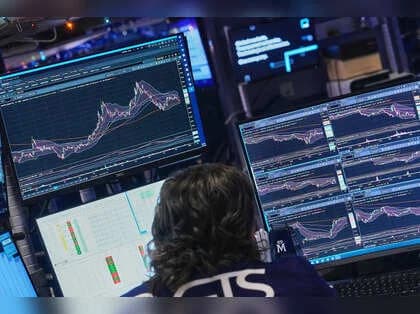
The US stock market delivered a headline moment in early February 2026 that will be remembered as a milestone for traders and strategists alike: the Dow Jones Industrial Average broke through the 50,000 level for the first time, underscoring a broader recovery and shifting sector leadership. On Friday, February 6, 2026, the Dow closed at 50,115.67, having surged about 1,206 points and finishing the day up roughly 2.5%. At the same time, the S&P 500 hovered near 6,930–7,000 territory and the Nasdaq Composite posted meaningful gains as AI-driven momentum reasserted itself after a period of volatility. This moment is not just a numeric curiosity; it reflects a confluence of earnings strength, AI infrastructure spending, and a rotation in market leadership that has implications for portfolios, risk management, and strategy overruns for the next 6 to 12 months. (cbsnews.com)
For analysts at Wall Street Economicists, the milestone is a data point with interpretive value: it confirms that investor risk appetites can reaccelerate even after a prior selloff when AI-spending optimism meets improving macro signals. The same day saw the S&P 500 up about 2% and the Nasdaq up a bit over 2%, signaling broad participation beyond a single sector. The broader context includes a notable plan by major technology platforms to expand AI-related capital expenditures, alongside a stronger-than-expected January jobs backdrop that helped ease some of the earlier fears about inflation and rates. The net effect is a market narrative that remains data-driven and forward-looking, even as investors weigh the longer-term profitability of AI investments against near-term cost discipline. (cbsnews.com)
Section 1 — What’s happening on the ground
Record Dow above 50k
The most conspicuous data point of the February milestone is the Dow’s leadership through a midweek tech rout that evolved into a broad-based rally. The Dow closed above 50,000 for the first time on February 6, 2026, at 50,115.67, rising 1,206.95 points (+2.47%). This was accompanied by a 2.0% gain for the S&P 500 and a 2.2% gain for the Nasdaq, delivering what many traders termed a “return to risk-on” mood after a string of AI-centric concerns. The milestone was noted by major outlets and corroborated by market participants across news desks. (cbsnews.com)
Broad market rally lifts multiple sectors
Beyond the tech rally, the day’s breadth was notable: investors rotated into economically sensitive names even as AI winners paused to reassess valuation and monetization potential. Caterpillar, a bellwether for industrials and infrastructure plays, contributed meaningfully to the Dow’s move, as did Broadcom and Nvidia in the AI hardware space. The S&P 500’s strength reflected gains in both technology-adjacent equities and cyclicals, highlighting a market that was pricing in AI-capex upside while evaluating the cost of that spend relative to future cash flow generation. The CBS News coverage captured the breadth of the rally and the AI spending narrative tying together the day’s gains. (cbsnews.com)
AI spending and the ETF of the moment
One of the day’s anchors was an elevated expectation for AI infrastructure spend, with major hyperscalers detailing multi-hundred-billion-dollar CAPEX plans for 2026. This spending thesis helped lift AI-related equities and chipmakers in the session, even as traders weighed the sustainability of such capex against near-term earnings trajectories. Reuters and other outlets highlighted that Nvidia’s stock movement and the AI spending narrative were central to the day’s leadership. The broader market’s reaction suggests a belief that AI infrastructure justifies higher current valuations if the ensuing revenue and gross margin expansion materialize over time. (reutersconnect.com)
Case studies emerge: Nvidia and Caterpillar
Two real-world examples illustrate the month’s dynamic: Nvidia, as the poster child for AI hardware, saw gains tied to its pivotal role in powering AI workloads and data-center acceleration. Caterpillar, traditionally a cyclical name, benefited from AI-driven data center expansion and energy infrastructure demand that translated into a stronger backlog and better revenue trajectory on AI-adjacent equipment. These cases point to a market narrative where AI demand supports both semiconductors and industrials, even as evergreen sectors (healthcare, financials) provide ballast. Reuters’ reporting on Nvidia’s AI spending and Caterpillar’s AI-fueled demand underpins these observations. (reutersconnect.com)
Table: Market Snapshot — February 6, 2026 Performance
| Index | Feb 6 Close | Daily Change | Year-to-Date Change |
|---|---|---|---|
| Dow Jones Industrial Average | 50,115.67 | +2.47% | +4.3% |
| S&P 500 | 6,932.30 | +1.97% | +1.3% |
| Nasdaq Composite | 23,031.21 | +2.18% | −0.9% |
Notes:
- Dow 50,115.67 close and +2.47% daily move are reported by CBS News. The broader market rally followed AI and capex signals that day. (cbsnews.com)
- S&P 500 at 6,932.30 and Nasdaq around 23,031.21 with gains near 2% help illustrate the breadth of the rally. Market coverage from multiple outlets confirms the scale of the move. (cbsnews.com)
- A broader context on year-to-date moves is provided by Reuters’ market wrap, noting the Dow’s strong YTD performance relative to the S&P and Nasdaq in early February. (reutersconnect.com)
Who’s affected and what that means for investors
The February milestone doesn’t happen in a vacuum. It reflects a cohort of beneficiaries expanding beyond early AI beneficiaries to include industrials and financials that benefit from a more normalized growth backdrop and improved risk appetite. The day’s leadership helped investors reposition portfolios toward a slightly more balanced mix of growth and value, with defensive groups offering potential ballast in case AI-driven volatility reappears. The data show an environment where the AI investment thesis remains a central driver, but investors also need to monitor inflation, rates expectations, and corporate governance around large cap capex programs. The CBS and Washington Post reporting underscore that while the rally was broad, some high-profile names (like Amazon) faced mixed receptions due to capex plans and monetization concerns. (cbsnews.com)
Section 2 — Why this happened
AI spending as a structural driver
AI-related spending by hyperscalers and enterprise buyers is a macro-level driver that fed into the February milestone. The market narrative has long posited that AI infrastructure demand would propel semiconductors, data-center hardware, and software-layer monetization; this played out on the trading floor as Nvidia and other AI players led a tech-led rebound. Analysts and outlets highlighted capex guidance from Alphabet, Amazon, Microsoft, and Meta as a proxy for demand growth in AI infrastructure that could translate into durable earnings power over multi-year cycles. The day’s move validated the market’s willingness to price in that higher expenditure based on expected revenue growth and operating leverage. (reutersconnect.com)
Sector rotation and macro backdrop
The February rally occurred alongside a broader rotation—from defensive to cyclical and growth-oriented exposures—that reflected evolving expectations on inflation and the path of monetary policy. While AI was a focal point, the sector breadth indicated that investors were rebalancing risk, seeking value in industrials and materials, and continuing to rotate into financials as interest rate expectations evolved. The Dow’s leadership was supported by non-tech leaders such as Caterpillar, which benefited from AI-driven data center and infrastructure demand, illustrating how the AI wave intersects with traditional capital goods cycles. This dynamic is echoed in market commentary from major outlets, which emphasized the breadth of participation beyond pure tech names. (cbsnews.com)
Earnings momentum and macro signals
A key driver of the February 2026 milestone is the interplay between earnings strength and macro momentum. Positive earnings surprises from AI-related hardware and software players helped buoy risk appetite, while macro indicators—jobs data and inflation trends—provided a framework for judging the timing of rate cuts. The reporting around the CPI outlook, labor data, and potential Fed guidance contributed to a market mood shift that allowed the indices to climb in a risk-on environment. This nuanced picture is reflected in credible coverage of the day’s activity, including the Reuters and CBS reports that tie the milestone to AI spend and broader macro conditions. (reutersconnect.com)
Section 3 — What it means
Business impact: capital allocation and strategy
From a business perspective, the February milestone invites leadership teams to rethink capital allocation and strategy around AI. Investors are paying close attention to how companies translate AI investments into revenue growth, operating leverage, and free cash flow, rather than treating AI as a one-off expenditure. For example, Nvidia’s AI-software and hardware stack continues to benefit from data-center demand and AI training workloads, while Caterpillar’s backlog expansion signals how AI-enabled infrastructure projects can support durable demand across industrials. The market’s reaction to Amazon’s capex plan—investing heavily in AI and robotics—also underscores the importance of cost discipline and monetization timelines in large cap tech. (reutersconnect.com)
Consumer effects: sentiment and spending
The market's trajectory influences consumer sentiment, which in turn can impact durable goods demand and discretionary spending. The University of Michigan and other consumer sentiment indicators have historically fed into equity risk appetite by signaling how households anticipate inflation and employment conditions. As the market negotiated the February milestone, investor optimism about AI-enabled productivity and job creation could translate into a more favorable consumer spending backdrop, even as price pressures persist in certain segments. This dynamic is reflected in coverage of the broader market mood and the inflation storyline that accompanied the rally. (cbsnews.com)
Industry changes: the AI ecosystem matures
The milestone reinforces a broader industry transformation—the AI ecosystem is maturing from a series of hype-driven bets into a multi-year cycle of capital expenditure, productization, and monetization. This transition is visible in both semiconductors and industrials, and is likely to influence supply chains, vendor relationships, and customer segmentation. Analysts highlight that while the AI narrative remains powerful, investors may demand clearer metrics around AI ROI, efficiency gains, and the pace of revenue realization. The market’s reaction to AI spend signals and related capex plans supports this framing, as reported by major outlets during the milestone week. (reutersconnect.com)
Section 4 — Looking ahead
6–12 month predictions
- AI infrastructure spending remains a potent, if volatile, driver. If capex plans from hyperscalers translate into commensurate capacity and utilization, we could see continued upside in AI hardware segments and data-center equipment names. The challenge lies in translating spending into incremental profits, as margins compress and competition intensifies among AI hardware suppliers. Market watchers will monitor earnings guidance and capex cadence to assess the durability of the AI-led rally. (reutersconnect.com)
- The broader market could experience continued volatility as rates, inflation data, and macro surprises shape the Fed’s policy path. If rate cuts materialize later in the year, equities could reprice upward on valuation support; if not, a more protracted adjustment could ensue. The milestone week underscores the sensitivity of equity prices to macro signals, but also shows that leadership can shift toward value and cyclicals during periods of policy uncertainty. (cbsnews.com)
- Sector leadership may rotate again as AI spending cycles mature. Expect continued attention to industrials, financials, and software equities as investors weigh AI monetization versus investment risk. The market’s multi-sector breadth on February 6 suggests that a diversified approach may offer resilience if AI-specific volatility re-emerges. (washingtonpost.com)
Opportunities and how to prepare
- For institutional and sophisticated retail investors, the February milestone reinforces the case for balanced exposure across AI-related growth, data-center hardware, and cyclical beneficiaries like industrials. A disciplined approach to risk management—tracking drawdown buffers, hedges, and sector rotation signals—can help weather AI-driven drawdowns.
- For corporate strategists, the takeaway is to align AI capex with measurable ROI, integrated across product development, operating efficiency, and revenue generation. Communicate a clear path to profitability that can withstand macro shocks and competitive pressures, all while maintaining capital discipline in a higher-rate environment. The market’s reaction demonstrates that investors reward clarity on AI monetization timelines as much as they reward the scale of the investment. (reutersconnect.com)
Closing section — Key takeaways The US stocks February 2026 milestone, highlighted by the Dow’s first-ever close above 50,000 on February 6, 2026, represents more than a symbolic milestone. It signals a market that is reasserting risk appetite in the face of AI-driven disruption and a broader infrastructure investment boom. The day’s numbers — Dow at 50,115.67 (+2.47%), S&P 500 at 6,932.30 (+1.97%), Nasdaq around 23,031.21 (+2.18%) — reflect a synchronized rally across major indices that was motivated by AI spending expectations and improved macro signals. This moment—both a psychological milestone and a practical signal about sector leadership—will shape market dynamics, capital allocation decisions, and strategy for the next several quarters. Investors should monitor AI capex trends, earnings trajectories, and macro policy guidance as the market digests the implications of a higher-growth, AI-enabled economy.
In practice, the February 2026 milestone invites a balanced, data-driven approach: recognize the AI-driven tailwinds while maintaining a disciplined watch on earnings quality, cash flow generation, and the durability of consumer demand. For technology and market trend watchers, this is a moment to validate the idea that AI infrastructure spending can lift not just tech but a broader set of cyclicals, with winners emerging from both hardware and industrials—an insight that helps explain why the Dow crossed 50,000 even as other indices continued to navigate volatility. The case studies of Nvidia’s AI hardware leadership and Caterpillar’s AI-fueled demand illustrate the practical mechanics behind the milestone, underscoring a market that increasingly values AI-enabled productivity and the real-world returns that follow. (cbsnews.com)